
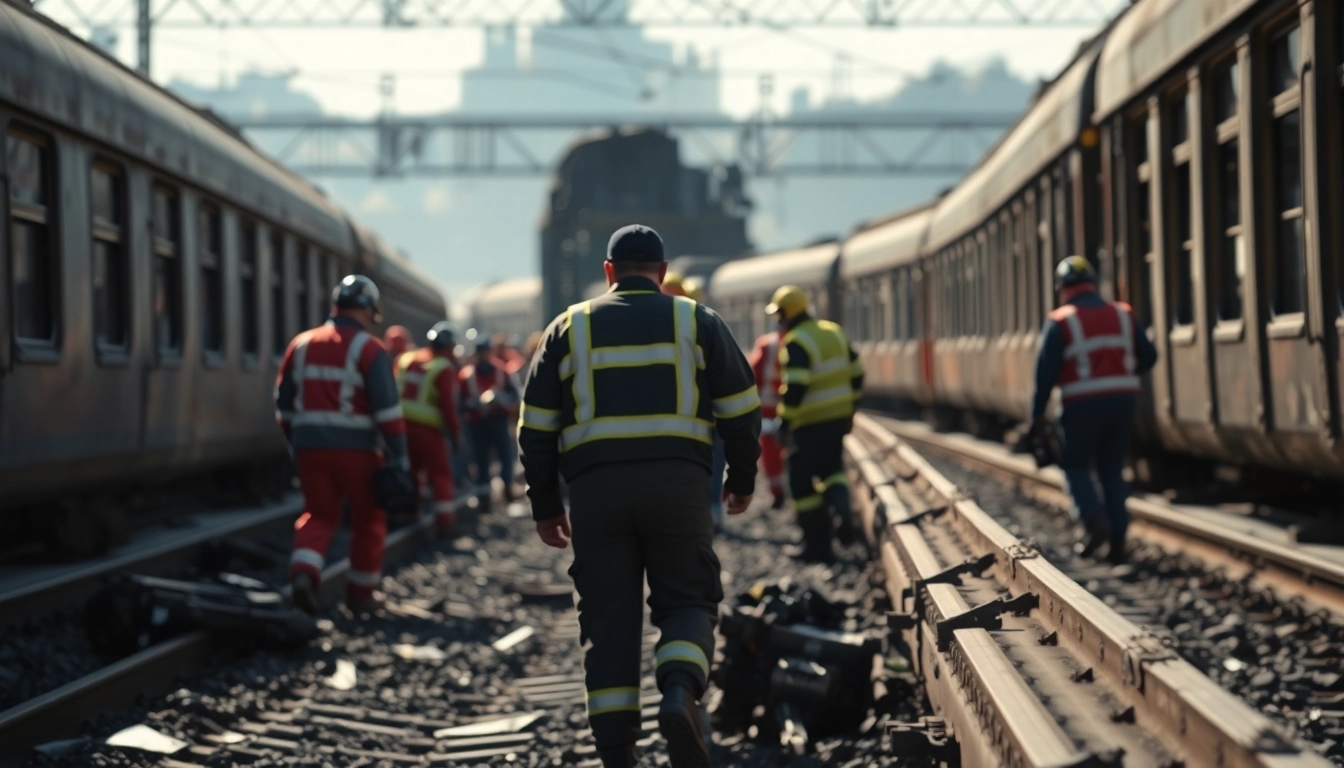
Overview of the Spain Train Crash
The spain train crash is a tragic event that sent shockwaves throughout the nation and beyond, drawing attention not only to the incident itself but also to the implications it holds for rail safety worldwide. This comprehensive overview aims to dissect the event, explore its causes, understand its ramifications, and learn crucial lessons for the future.
Key Facts and Timeline
On the day of the accident, Spain witnessed an unprecedented tragedy as a high-speed train derailed, leading to considerable loss of life and injuries. The incident occurred during peak travel hours, affecting countless passengers and their families. The first responders arrived swiftly, underlining the immediacy of the situation. This timeline aims to capture the sequence of events leading to the crash:
- 8:00 AM: The train departs from point A, fully loaded with passengers.
- 9:15 AM: The train approaches a curve known for its sharp turns.
- 9:20 AM: Reports of unusual vibrations are logged by onboard sensors.
- 9:25 AM: The train derails, leading to chaos and destruction.
- 9:30 AM: Emergency services are called to the scene.
- 10:00 AM: Rescuers begin to evacuate injured passengers.
This tragic series of events showcases the vulnerability within even highly regulated systems like high-speed trains.
Consequences on Public Perception
The public’s perception of rail travel was significantly impacted following the incident. Prior to the crash, trains were often seen as a safe and efficient mode of transportation. However, post-crash, a cloud of doubt emerged regarding the reliability and safety of such systems. Surveys indicated a marked decline in the public’s trust towards rail authorities, indicating an urgent need for transparency and improved safety measures. As travelers reconsidered their travel options, many turned to alternative modes of transport, leading to an overall impact on rail operators’ revenues and scheduling.
Role of Authorities and Investigations
In the wake of the disaster, authorities launched rigorous investigations to ascertain the root causes of the derailment. Multiple committees were established, employing experts in rail transport and accident reconstruction. Meanwhile, public inquiries brought forth numerous questions regarding maintenance practices, engineering standards, and whether all safety protocols were followed. The insistence on accountability has underscored the necessity for governance reform in rail safety regulation.
Impact on Transportation Safety
The spain train crash ultimately led to significant discussions centered around transportation safety, exposing systemic flaws in current practices.
Immediate Safety Measures Implemented
After the incident, rail authorities worldwide adopted immediate safety measures. Ritual safety checks were intensified, especially around curves and turnouts. Enhanced monitoring systems featuring advanced technology were installed to track train speeds and mechanical conditions in real-time. These urgent changes aimed to prevent any similar disasters from taking place, demonstrating the critical need for timely intervention in the industry.
Long-Term Changes in Rail Safety Protocols
In the aftermath of the Spain Train Crash, long-term changes encompassed comprehensive reforms across the industry. Regulatory bodies revisited safety standards, emphasizing the necessity for uniformity and stricter compliance. Investment in research and development endeavored to promote innovation in safety technology, shifting the landscape towards more resilient infrastructure. While immediate measures addressed past grievances, a forward-thinking approach is essential to avoid repeating history.
Lessons Learned for Future Crises
Through the examination of the Spain Train Crash, several invaluable lessons emerged. First, the importance of disseminating clear guidelines during emergencies cannot be overstated. The training of personnel must include simulation-based drills for efficient crisis management. Furthermore, communication protocols must be established among various agencies to ensure coordinated responses during such incidents. Regular audits on safety practices will also impede neglect and encourage proactive measures in rail travel safety.
The Role of Emergency Services
The presence and efficiency of emergency services during crises often determine the outcomes for those affected. The Spain Train Crash highlighted both the strengths and weaknesses within this vital sector.
Initial Response Mechanics
The initial response to the crash involved a multifaceted approach where multiple agencies dispatched teams to the scene. Firefighters, medical personnel, and police worked rapidly to assess the situation and execute rescue operations. An effective command center was established to manage resources effectively. Clarity in roles among responders ensured a structured response which is crucial during chaotic disasters.
Coordination Between Agencies
Effective inter-agency coordination played a pivotal role in facilitating a timely response. By creating integrated response strategies, agencies were able to function cohesively. Utilization of joint operation centers allowed shared resources and quick dissemination of information. Training exercises and collaborative drills can significantly enhance this aspect, ensuring smoother cooperation and communication in future emergencies.
Challenges Faced by Rescue Teams
Despite their quick mobilization, rescue teams faced numerous challenges during the aftermath of the accident. Difficult terrain, ongoing communication issues, and the emotional stress of the situation complicated their efforts. Additionally, the sheer volume of casualties initially overwhelmed medical facilities nearby. Addressing resource shortages and supplying on-ground teams with necessary equipment became imperative for their effectiveness.
Public Response and Media Coverage
Media coverage following the spain train crash played an influential role in shaping the narrative surrounding the incident. With various platforms showcasing the tragedy, public reaction surged.
Media Representation of the Incident
The media portrayed the incident with a mixture of urgency and sensitivity, ensuring the gravity of the situation resonated with viewers. Fact-checking became pivotal in portraying accurate accounts, while emotional storytelling highlighted personal impact. Coverage also addressed calls for accountability and reform, emphasizing the need for systemic changes to enhance rail safety.
Community Support and Fundraising Efforts
In the wake of the crash, communities rallied to support victims and their families. Fundraising campaigns mobilized quickly, aiming to provide financial assistance to those affected. Local businesses and organizations, alongside citizens, contributed through donations and organizing memorial events, showcasing the strength and compassion of the human spirit in times of crisis.
Reactions from Survivors and Families
Survivors and family members expressed a range of emotions, including anger, confusion, and a yearning for clarity regarding the causes of the crash. Many formed support groups to share their experiences and seek solace in commonality. Their voices echoed throughout media outlets, highlighting personal stories amidst the tragedy and fostering a community of resilience.
Preventive Measures for the Future
To mitigate similar occurrences in the future, a strategic approach towards preventive measures must be taken by stakeholders across the rail industry.
Enhancements in Railroad Infrastructure
Continual investment in railroad infrastructure is essential for sustainable rail travel safety. Upgrading tracks, employing more advanced engineering practices, and integrating smart technology into existing systems ensures that rail networks maintain high safety standards. Enhanced infrastructure supports not just the needs of the present but anticipates future demands and challenges.
Training and Drills for Emergency Situations
Regular, comprehensive training and drills play an essential role in preparing for emergencies. By simulating real-life scenarios, agencies can identify weaknesses in protocols and address them. Practicing coordinated rescue efforts allows responders to familiarize themselves with the intricacies involved in multi-agency collaborations, ultimately improving reaction times in actual crises.
Legislation Changes After the Accident
In response to the incident, legislative bodies have initiated discussions about enacting crucial policy changes. These changes aim to strengthen regulatory frameworks surrounding rail safety, impose stricter penalties for non-compliance, and call for more rigorous inspection protocols. Legislative efforts can usher in a new era of accountability and safety, building public trust in rail systems.
FAQs
What caused the Spain train crash?
The exact cause of the Spain train crash is still under investigation, focusing on mechanical failure, speed regulations, and track maintenance.
What safety measures were implemented after the crash?
Immediate measures included enhanced monitoring systems, stricter safety inspections, and increased collaboration among emergency response teams.
How did the public react to the train crash?
Reactions ranged from shock and grief to calls for accountability from authorities, significantly impacting public perception of train safety.
What role did emergency services play in the response?
Emergency services coordinate rescue efforts, provide medical assistance, and establish command structures for efficient crisis management.
What legislative changes are expected post-crash?
New legislation may include stricter compliance regulations, comprehensive inspection processes, and enhanced accountability for rail operators.
About the Author