Understanding the Basics of Fly Tying
What is Fly Tying?
Fly tying is a fascinating craft that involves creating artificial flies used in fly fishing. The process encompasses various techniques where materials such as feathers, fur, and synthetic materials are affixed to hooks to simulate the appearance and movement of aquatic insects and baitfish. Enthusiasts of all skill levels engage in fly tying to craft personalized flies designed to attract specific species of fish, enhancing their fishing experience.
Importance of Fly Tying for Anglers
The significance of fly tying extends beyond mere recreation; it’s an essential skill that equips anglers with the ability to adapt to changing conditions. By crafting their own flies, anglers can respond to local aquatic life, seasonal changes, and fish behavior, thereby improving their chances of success on the water. Furthermore, it offers a meditative, satisfying practice that deepens one’s connection to the art of fishing.
Essential Tools for Beginner Fly Tying
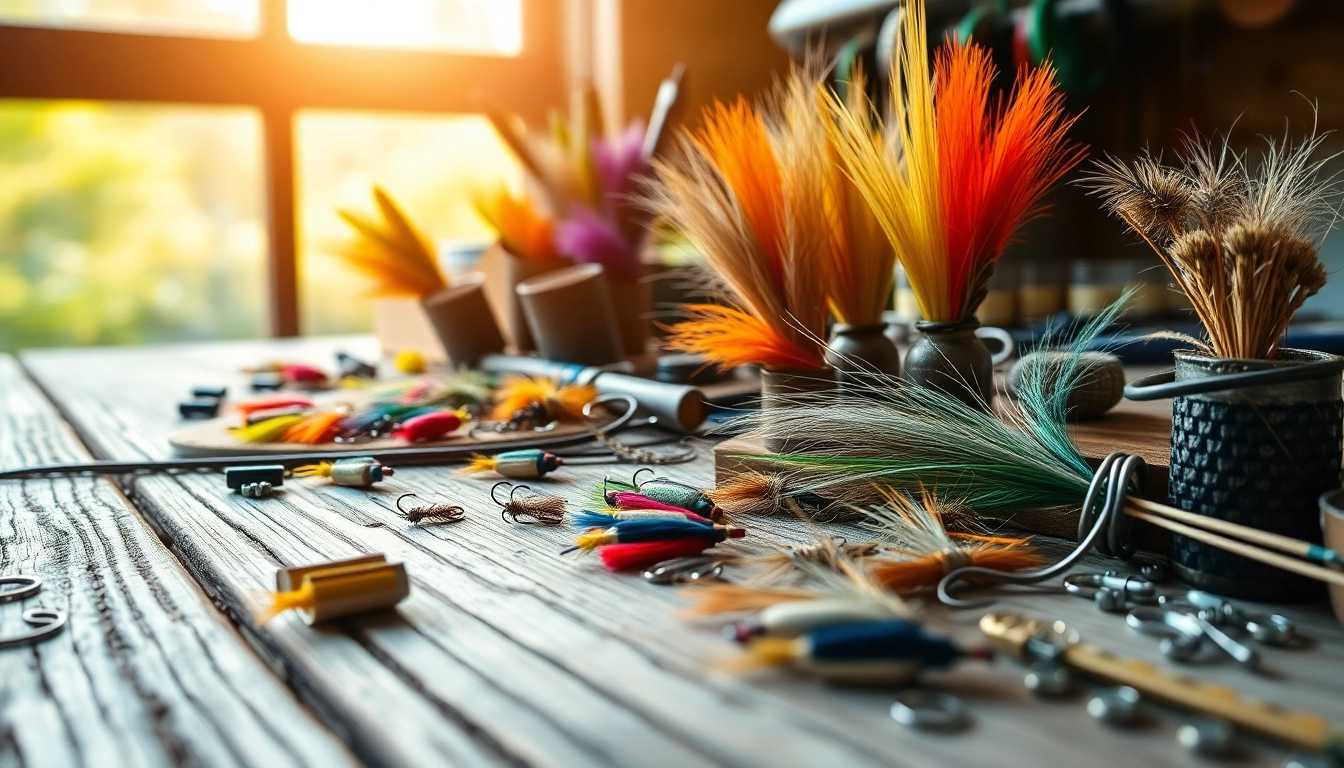
To embark on your fly tying journey, a few essential tools are necessary. These include:
- Vise: This holds the hook securely while you work.
- Scissors: Sharp, fine-tipped scissors for cutting materials accurately.
- Bobbin: Holds the thread and allows you to apply tension effectively.
- Hackle pliers: Enable easy handling of feathers.
- Thread: Used to attach materials to the hook.
Investing in quality tools, even at the beginner level, will greatly improve your tying experience and results.
Choosing the Right Materials for Fly Tying
Types of Threads and Their Uses
The choice of thread is paramount in fly tying as it dictates not only the strength of the fly but also its appearance. Threads come in various materials, such as:
- Nylon: Strong and flexible, suitable for most flies.
- Thread Markers: Also known as “floss,” it offers a shiny finish for attractive flies.
- Monofilament: Useful for creating invisible ties and adding strength without bulk.
Understanding thread weight and texture can help create more durable and aesthetically pleasing flies.
Feathers: Selection and Application
Feathers bring life to your flies, and selecting the right types is crucial. Commonly used feathers include:
- Marabou: Ideal for streamers and soft-hackle flies due to its buoyancy.
- Hackle: Used for dry flies; the barbs create a lifelike appearance.
- Pheasant tail: Great for nymphs and adding subtle color.
When applying feathers, consider techniques like wrapping and tying in sections to achieve desired movement and visibility in water.
Hooks: Picking the Perfect Fit
The right hook is fundamental for the success of your fly. Hooks vary by size, shape, and gape width. Three primary types of hooks include:
- Dry Fly Hooks: Designed for floating flies with a sharp bend and wide gap.
- Nymph Hooks: Have a curved body to sit lower in the water column.
- Streamer Hooks: Longer shank to accommodate heavier materials for dynamic movement.
Selecting hooks based on the fly type and target fish species will greatly enhance your catch rate.
Step-by-Step Fly Tying Techniques
Basic Techniques Every Tyer Should Know
For beginners, mastering a few fundamental techniques is crucial. Start with:
- Thread Control: Learning to maintain consistent tension on the thread
- Wrapping: Methodically layering materials for a compact fly.
- Whipping Finish: Securing the fly without bulky knots.
Practicing these techniques will lay the foundation for more intricate patterns.
Advanced Techniques for Experienced Tyers
Once comfortable with the basics, intermediate tyers can advance to techniques such as:
- Dyed Materials: Using colored materials for unique personal touches.
- Multi-Stage Flies: Incorporating various materials in stages for effect.
- Custom Dubbing: Blending materials for unique textures that mimic actual prey.
These advanced techniques will elevate your fly crafting skills significantly, allowing for greater creativity and effectiveness.
Common Mistakes in Fly Tying and How to Fix Them
Even experienced tyers can make mistakes. Common issues include:
- Over-Loading: Adding too much material can lead to bulky flies.
- Poor Proportions: Ensure correct material proportions for balance.
- Thread Breakage: Tension is key; avoid pulling too tightly.
Recognizing these pitfalls and learning how to adjust can make a significant difference in final outcomes.
Customizing Your Fly Patterns
How to Create Your Unique Fly Designs
Creativity plays a pivotal role in fly tying. To design your unique patterns, consider:
- Understanding Local Fish: Research what fish in your area feed on.
- Experimenting: Mix colors, materials, and sizes to create variations.
- Documenting Patterns: Keep a journal of your creations for future reference.
Customizing your flies not only enhances effectiveness but also gives you a sense of pride and accomplishment.
Adapting Patterns for Different Fish Species
Each fish species has its preferences. Adapting patterns involves:
- Researching Habitats: Tailor your flies based on water conditions and fish behavior.
- Adjusting Sizes: Fish can be particular about the size of prey.
- Experiment with weight and design to make flies more appealing.
This adaptability in your patterns creates more opportunities for successful catches.
Testing and Adjusting Your Flies for Optimal Performance
Once your flies are complete, testing them can help refine your techniques. To evaluate performance, consider:
- Field Testing: Fish with your flies and note their effectiveness compared to other flies.
- Adjustments: After testing, adjust your designs based on observations.
- Consulting Local Anglers: They can provide valuable feedback on what works and doesn’t.
This iterative process not only improves your flies but also contributes to your growth as an angler.
FAQs About Fly Tying
1. What materials do I need to start fly tying?
You need hooks, threads, feathers, and tools such as scissors and a vise to begin.
2. How long does it take to learn fly tying?
Basics can be learned in a few sessions, but mastering advanced techniques may take years.
3. Can fly tying improve my fishing results?
Yes, customized flies can attract fish better than store-bought options.
4. Where can I find fly tying inspiration?
Online forums, fly tying books, and local fishing groups are great resources.
5. Is fly tying an expensive hobby?
It can be affordable; starting small with basic materials can keep costs down.
About the Author