
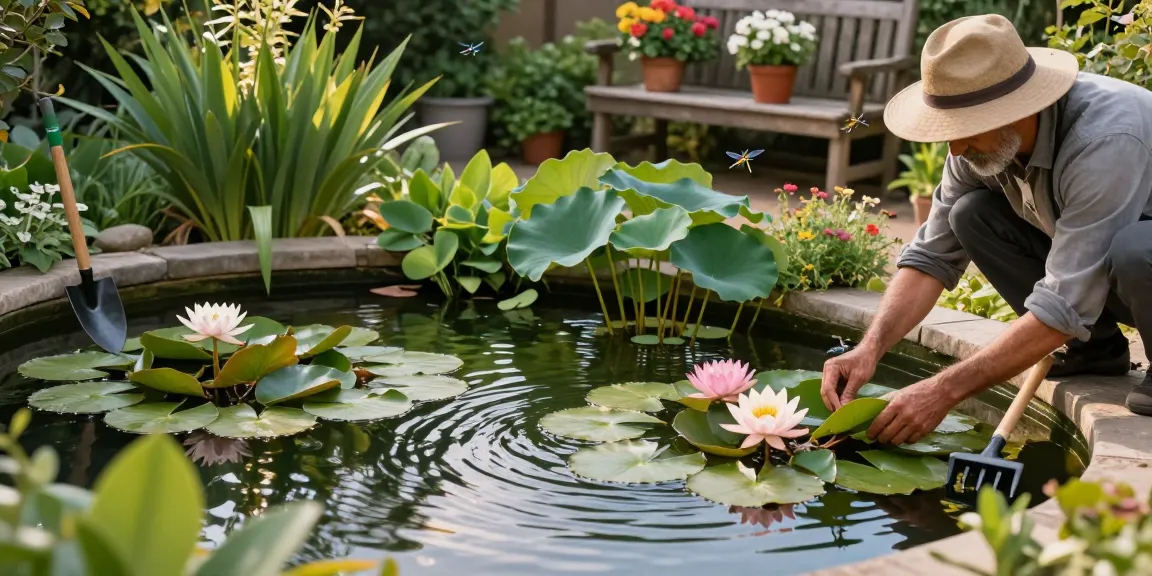
Understanding the Benefits of Pond Plants
Pond plants play a crucial role in creating a healthy and beautiful aquatic environment. By adding these natural elements to your water garden, you can enhance its aesthetic appeal while also promoting the well-being of the ecosystem. When exploring options, Buy Pond Plants Online allows you access to a wide variety of species suited for every type of pond. Whether you have a large lake or a small garden water feature, the right plants can transform the space.
Why Choose to Buy Pond Plants Online?
Buying pond plants online provides numerous advantages over traditional shopping methods. Firstly, the online marketplace offers a broader selection of species, allowing you to find unique plants that local nurseries may not carry. Additionally, you can conveniently compare prices and read reviews from other customers to ensure you make informed decisions. Moreover, many online retailers provide detailed descriptions and care instructions, helping you choose the best plants for your garden.
Top Benefits of Incorporating Pond Plants in Your Garden
- Enhancing Aesthetic Appeal: Pond plants add beauty and color, making your garden more inviting.
- Providing Shelter: They create habitats for fish and other wildlife, promoting biodiversity.
- Improving Water Quality: Many aquatic plants absorb harmful nutrients, keeping your pond water clean.
- Algae Control: By outcompeting algae for nutrients, pond plants help reduce overgrowth effectively.
How Pond Plants Improve Water Quality and Wildlife
Pond plants contribute significantly to water quality by filtering out pollutants and absorbing excess nutrients. They also provide shade, which helps regulate water temperature, creating a healthier environment for aquatic life. Furthermore, rooted and floating plants offer spawning areas and shelter for fish and invertebrates, ensuring a thriving aquatic ecosystem.
Choosing the Right Pond Plants for Your Space
Factors to Consider When Selecting Pond Plants
When selecting pond plants, consider the size of your pond, water depth, and local climate. Different plant species have varying light and temperature requirements, so it’s essential to choose ones that will thrive in your specific conditions. Additionally, think about the aesthetic goals you have for your pond; for example, do you desire a lush, tropical feel or a more serene, minimalist look?
Best Pond Plants for Various Climate Zones
Pond plants vary considerably in their adaptability to different climates. For colder regions, consider hardy varieties like Water Lilies and Marginal Plants, which can survive freezing temperatures. In warmer climates, tropical plants such as Lotus or Tropical Water Hyacinth are ideal. Understanding your climate zone will ensure the longevity and vibrancy of your plants.
How to Create a Balanced Ecosystem with Pond Plants
To achieve a balanced pond ecosystem, incorporate a variety of plants, including submerged, emergent, and floating species. Submerged plants like Elodea provide oxygen and habitat, while emergent plants such as Cat Tails offer shelter and nesting areas. Floating plants like Water Lettuce provide shade and help control algae growth.
Where to Buy Pond Plants Online
Top Online Retailers for Quality Pond Plants
Several reputable online retailers specialize in selling pond plants. Look for sites that offer a variety of species, competitive pricing, and a robust customer service policy. Notable online stores include That Pond Guy and other dedicated aquatic gardening companies that prioritize healthy, well-cared-for plants.
Comparing Prices and Quality: What to Look For
When purchasing pond plants online, it’s important to compare not just prices but also the quality of the plants offered. Look for customer reviews, photos of the plants, and any guarantee policies. Healthy plants should have vibrant colors and no signs of pests or disease.
Understanding Shipping and Delivery Options for Plants
Different retailers have varying shipping options, which can affect the health of your plants upon arrival. Ensure the seller uses appropriate packaging to avoid damage during transit. Some vendors may offer expedited shipping options, which can be beneficial for live plants.
Planting and Maintaining Your Pond Plants
Step-by-Step Guide to Planting Pond Plants
- Choose the right location for each type of plant based on their specific needs.
- Prepare your planting area – if using pots, ensure they have drainage holes.
- Fill with appropriate soil and plant your chosen species, ensuring roots are well covered.
- Water the plants thoroughly and monitor the conditions closely after planting.
Common Mistakes to Avoid When Planting
One common mistake is overcrowding plants, which can lead to poor growth and competition for nutrients. Also, ensure that you do not plant species that require different levels of sunlight and moisture in the same area. Always research individual plant needs before introducing them to your pond.
Maintenance Tips for Healthy and Thriving Pond Plants
Regular maintenance is crucial for the health of your pond plants. This includes removing any dead foliage, checking for pests, and ensuring optimal water quality. Fertilizing your pond plants during the growing season can also help promote lush growth and flowering.
Future Trends in Pond Gardens for 2026 and Beyond
New Varieties of Pond Plants to Look Out For
The future of pond gardening looks promising with the introduction of hybrid plant species that are both beautiful and resilient. Expect to see more varieties hybridized for better disease resistance and adaptability to various climates, allowing gardeners to enjoy a broader spectrum of flora.
Innovative Gardening Techniques for Pond Ecosystems
Techniques such as permaculture and natural pond design are becoming increasingly popular, encouraging a more sustainable approach to gardening. These methods focus on creating ecosystems that are self-sustaining and require minimal maintenance.
Environmental Considerations for Sustainable Gardening
As climate change becomes an ever-present concern, sustainable gardening practices are essential. This includes selecting native plant species, using organic fertilizers, and prioritizing water conservation to create resilient pond ecosystems.
What are the best types of pond plants to start with?
Begin with easy-to-grow species like Water Lilies, Hornwort, and Marsh Marigold. These plants are not only visually appealing but also help stabilize the pond ecosystem.
How can I ensure my pond plants thrive?
To ensure your pond plants thrive, provide them with the right amount of sunlight, space, and nutrients. Regularly check the water quality and maintain a balanced ecosystem.
What should I do if my pond plants are not growing?
If your plants are not growing, consider water quality issues, insufficient sunlight, or overcrowding. Addressing these factors can often resolve growth issues.
Are there any specific care requirements for aquatic plants?
Yes, aquatic plants may require specific care including regular pruning, checking for pests, and ensuring adequate nutrient supply in the water.
Can pond plants help with algae control in my pond?
Absolutely! By consuming the nutrients that would otherwise feed algae, pond plants serve as a natural method of algae control.