
Understanding Professional Roofing Services
What are Professional Roofing Services?
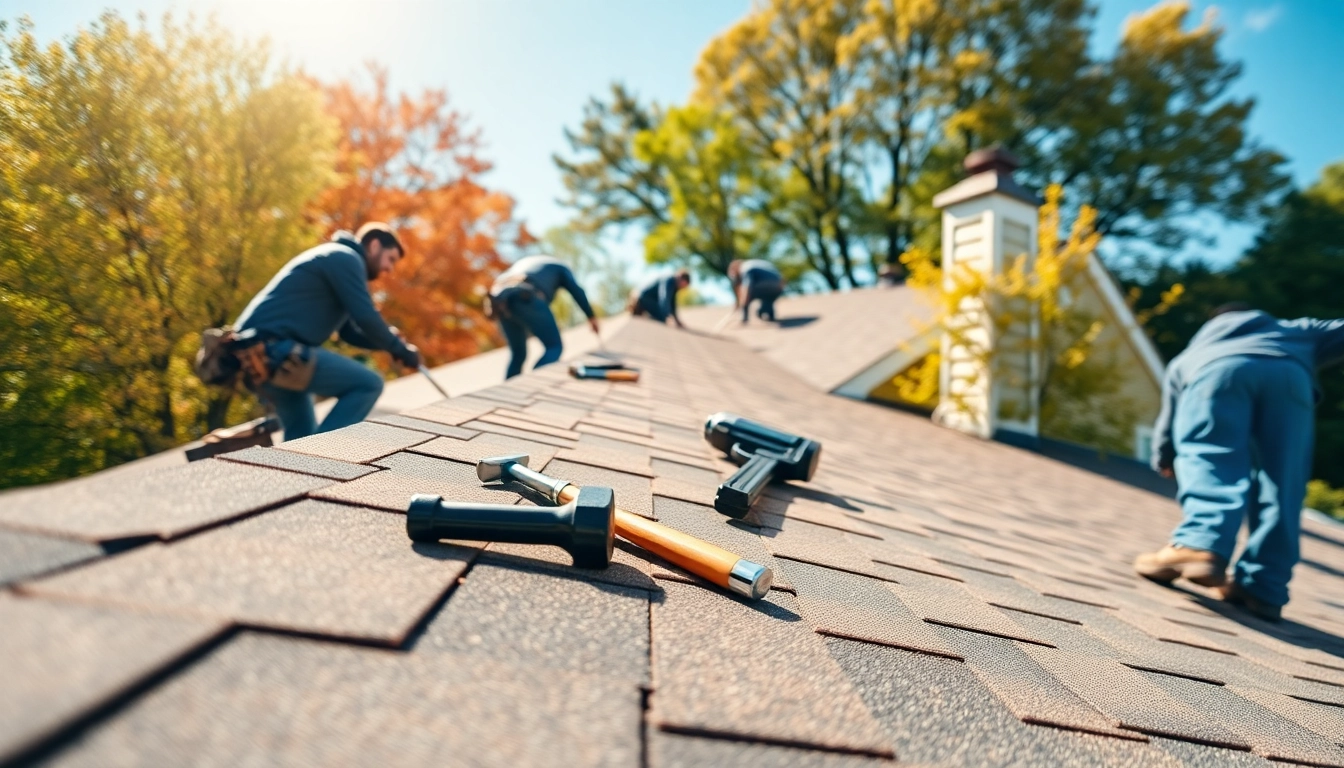
Professional roofing services encompass a wide range of services focused on the installation, repair, maintenance, and replacement of roofs. These services are essential for ensuring the protection and longevity of residential and commercial structures. Skilled roofing professionals use specialized knowledge, tools, and materials to address various roofing needs effectively. Whether you’re constructing a new building or repairing an existing one, seeking Professional roofing services is crucial in achieving a durable and functional roof.
Importance of Quality Roofing in Home Maintenance
The roof is one of the most critical elements of a building, serving as the first line of defense against environmental elements like rain, snow, wind, and sun exposure. Quality roofing contributes not only to the aesthetic appeal of a home but also ensures safety and energy efficiency. A well-maintained roof prevents leaks, mold growth, and structural damage, which can lead to costly repairs and diminished property value. Therefore, investing in professional roofing services is not merely a choice; it is an essential aspect of responsible home maintenance.
How Professional Roofing Services Differ from DIY Solutions
While some homeowners may consider DIY roofing projects to save money, the risks and potential complications often outweigh the benefits. Professional roofing services offer expertise in material selection, installation techniques, and safety protocols, resulting in a more reliable outcome. Additionally, roofing experts are typically equipped with advanced tools that enable them to work quickly and safely, reducing the chances of accidents or mistakes that could lead to significant property damage later on. Leveraging the skills of qualified professionals ensures that your roofing needs are addressed efficiently and effectively.
Types of Professional Roofing Services Available
Residential vs. Commercial Roofing Solutions
One of the primary distinctions in roofing services is between residential and commercial solutions. Residential roofing typically involves pitched roofs, asphalt shingles, and materials geared toward enhancing curb appeal and providing insulation. On the other hand, commercial roofing frequently requires flat or low-slope systems that prioritize durability and economic efficiency.
Residential roofing services may include new installations, shingle replacements, and inspections, while commercial offerings often involve different materials such as metal, rubber, or built-up roofing systems. Understanding these differences is vital for property owners when deciding which service best meets their needs.
Specialized Services: Repairs and Maintenance
Specialized roofing services are essential for addressing specific issues that arise from wear and tear, weather conditions, and other damaging factors. Effective roof repairs aim to restore function without necessitating an entire replacement, which can be costly and time-consuming. This may involve replacing damaged shingles, sealing leaks, or repairing flashing.
Regular maintenance services, such as inspections and routine cleaning, play a crucial role in prolonging the life of a roof. Many roofing professionals offer maintenance plans that include periodic check-ups to identify potential problems before they escalate, ensuring the roof remains in optimal condition.
Innovative Materials Used in Professional Roofing Services
The roofing industry has seen significant advancements in material technology, allowing homeowners and businesses to choose from a variety of effective options. Traditional materials like asphalt shingles and tile remain popular; however, innovative materials such as synthetic membranes, solar tiles, and green roofing solutions are gaining traction.
These innovative materials not only enhance the aesthetics of buildings but also offer added benefits like energy efficiency, improved durability, and lower maintenance requirements. When selecting materials, it is essential to consider factors such as climate, roof slope, and the building’s design to maximize effectiveness and longevity.
Choosing the Right Professional Roofing Service Provider
Key Qualities to Look for in a Roofing Contractor
Finding the right roofing contractor can significantly impact the quality and reliability of roofing services. Certain key qualities distinguish a reputable contractor from the competition. First and foremost, look for licensed and insured professionals, as this indicates that they are qualified to perform the work legally and safely.
Experience is another crucial factor; contractors with years of expertise in various roofing types will be more adept at handling different challenges that may arise during a project. Transparency, including a clear breakdown of costs and timelines, is vital for building trust with potential clients.
Questions to Ask Before Hiring
Before hiring a roofing contractor, it’s essential to ask specific questions to ensure you make an informed decision. Key inquiries should include:
- What type of roofing materials do you recommend and why?
- Can you provide references or examples of past work?
- What is the estimated timeline for the project?
- Will you obtain the necessary permits and handle any inspections?
- What warranties and guarantees do you offer on both materials and workmanship?
Asking these questions can provide valuable insights into a contractor’s expertise, reliability, and commitment to customer satisfaction.
Reading Reviews and Referrals Effectively
Online reviews and referrals can offer significant insights into a contractor’s quality of work and customer service. When assessing reviews, focus not only on the ratings but also on the context of the feedback. Look for detailed reviews that discuss specific aspects of the contractor’s services, such as communication, timeliness, and problem-solving abilities.
Seeking referrals from friends, family, or neighbors can also provide highly trustworthy recommendations since they come from firsthand experience. Be sure to compile a list of potential contractors and compare their reviews and testimonials to narrow down your options effectively.
Cost Factors Involved in Professional Roofing Services
Understanding Pricing Structures
The cost of roofing services can vary significantly based on several factors, including the type of materials used, the complexity of the installation, and the geographical location. Understanding the typical pricing structures can help property owners create a realistic budget for their roofing needs.
Most roofing contractors charge per square foot for labor and materials. Additionally, costs may include markup for premium materials, extra charges for difficult accessibility, or weather conditions that may delay work. It’s advisable to request itemized quotes from multiple contractors to ensure you clearly understand what you’re paying for and why.
Budgeting for Roof Repairs and Installations
Budgeting effectively for roofing services requires careful planning and consideration of potential future costs. Begin by assessing the current condition of your roof and determining whether repairs or a full replacement is necessary. It’s vital to anticipate costs that may arise beyond the initial roof installation, such as maintenance and repairs over time.
Also, consider setting aside a contingency fund to cover unexpected expenses during roofing projects. This strategy will help you remain financially prepared for unforeseen circumstances, ensuring your roofing project stays within your budget and timeline.
Saving on Costs through Preventive Maintenance
Investing in preventive maintenance is one of the most effective ways to save on roofing costs over time. Regular inspections and maintenance can help identify minor issues before they evolve into expensive repairs. Scheduled cleanings to remove debris, as well as essential repairs to flashing or gutters, are practical steps to prolong the life of your roof.
Many roofing professionals offer maintenance contracts that can prove beneficial, providing scheduled inspections and minor repairs at a discounted rate. Such proactive measures not only save money but also enhance the reliability of your roof, providing peace of mind for homeowners.
Ensuring Long-Term Performance of Your Roof
Regular Maintenance Practices for Homeowners
Homeowners play a crucial role in ensuring the long-term performance of their roofs. Regular maintenance practices include cleaning gutters, inspecting flashings, and checking for leaks after severe weather events. Homeowners should also keep an eye on the interior of their homes for signs of water damage or leaks that indicate roofing issues.
Establishing a relationship with a professional roofing service can make regular maintenance more manageable. Professionals can offer tailored maintenance plans that keep your roof in optimal condition while providing expertise you can trust.
Recognizing Signs of Roof Damage Early
Early detection of roof damage can save homeowners from costly repairs and protect their home’s interior. Signs of potential issues include missing or damaged shingles, water stains on ceilings, mold growth, and flashing that appears cracked or worn. Homeowners should perform periodic visual inspections and be aware of any changes in the structural integrity of their roofs.
If any signs of damage are detected, it’s imperative to consult with a roofing professional immediately. Addressing damage early can prevent further deterioration and ensure the longevity of your roof.
When to Schedule Professional Inspections
Scheduling professional inspections is an important aspect of effective roof maintenance. Experts recommend annual inspections, especially after severe weather events that may have compromised the roof’s integrity. Additionally, property owners should consider having their roofs inspected when they notice any of the aforementioned signs of damage.
Having a professional regularly assess the condition of your roof ensures that any potential issues are addressed swiftly, helping extend the life of your roof and enhance overall home safety.


