
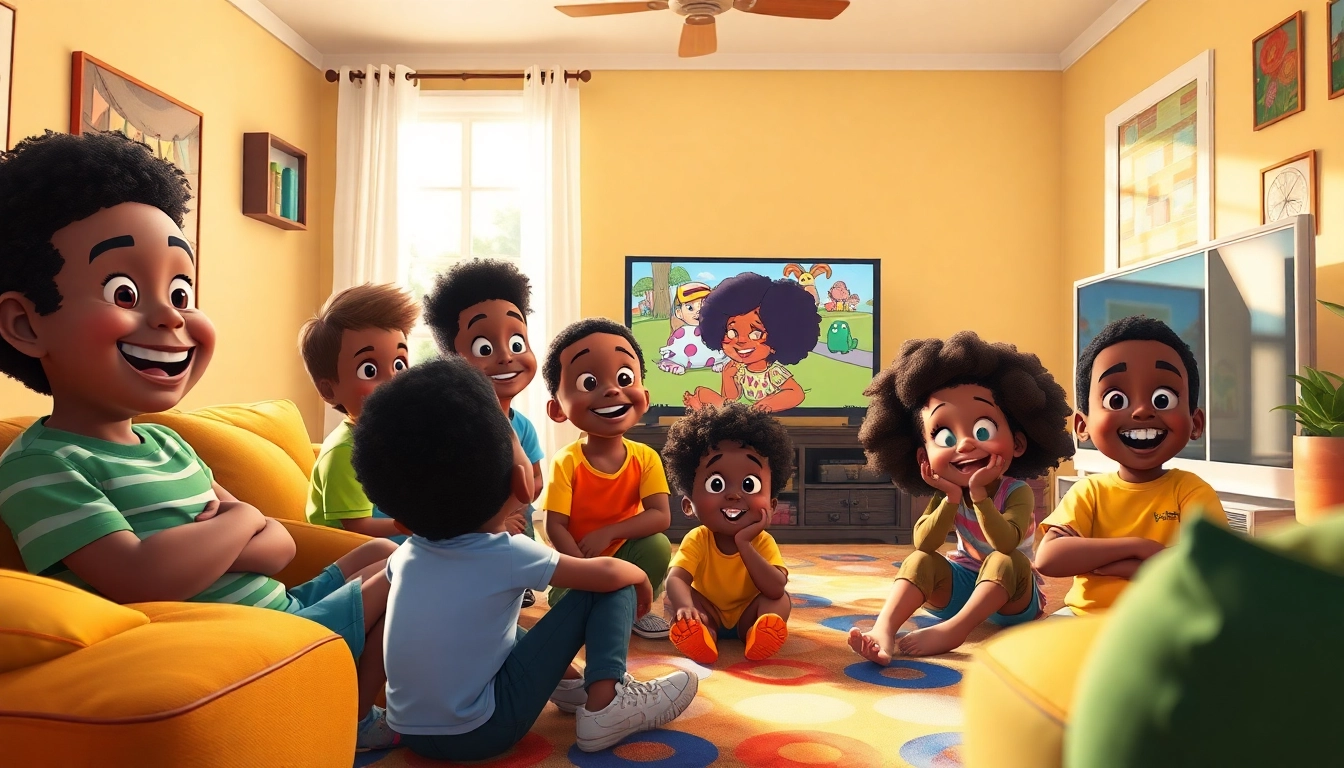
The Importance of African American Cartoons in Culture
African American cartoons have played a pivotal role in shaping cultural narratives and providing representation in the animation industry. They serve not only as entertainment but also as crucial instruments for social commentary and identity formation. The rich tapestry of these animated stories showcases the complexities of African American culture, often examining issues of race, identity, and community through a humorous and engaging lens. When exploring options, African American Cartoons provide comprehensive insights into the evolution of this art form.
Historical Significance of Representation
The historical significance of African American cartoons cannot be overstated. From the groundbreaking work of artists like Tex Avery and Chuck Jones in the mid-20th century to the emergence of shows like "Fat Albert and the Cosby Kids" and "The Boondocks," these cartoons have highlighted African American experiences and stories that were, for a long time, marginalized in mainstream media. This representation offers a platform for diverse storytelling that resonates with both children and adults, promoting a shared understanding of cultural nuances and values.
Impact on Children’s Identity and Self-Perception
For many children, watching cartoons featuring African American characters can significantly influence their sense of self and identity. Characters like Doc McStuffins and Huey Freeman from "The Boondocks" not only entertain but also serve as role models. They allow young viewers to see themselves reflected positively in media, which can bolster self-esteem and encourage pride in their cultural heritage. This representation is crucial in helping children navigate their own identities amidst a diverse world.
Promoting Diversity in Animation
As the animation landscape evolves, the importance of diversity cannot be overlooked. African American cartoons and their creators are at the forefront of this change, pushing for more inclusive narratives that speak to a broader audience. Shows like "The Proud Family" and newer titles such as "Craig of the Creek" exemplify this drive for diversity in storytelling and character development, ensuring that various voices and experiences are acknowledged and celebrated in animation.
Trending African American Cartoons of 2026
Top New Releases to Watch This Year
As we move through 2026, several new African American cartoons are capturing the attention of audiences. Shows such as "Maya and the Three" and "The Dragon Prince" feature African American characters and themes, reflecting a greater commitment to diversity in storytelling. These shows offer fresh perspectives and narratives that resonate with both young viewers and adults alike, reinforcing the importance of representation in animation.
Classic Favorites That Continue to Inspire
Classic African American cartoons remain timeless favorites that inspire new generations. Shows like "The Proud Family" and "A Different World" not only offered laughs but also taught valuable lessons about family, friendship, and community values. Their ability to tackle serious social issues while being entertaining set a precedent for future animated series, making them iconic in the annals of television history.
Innovative Storytelling in Modern Animation
Modern African American cartoons are embracing innovative storytelling techniques that challenge traditional animation norms. With advancements in technology and animation styles, creators are pushing boundaries to explore deeper themes and more complex character arcs. This evolution in storytelling not only captivates audiences but also encourages critical thinking about societal issues, making these cartoons more than mere entertainment.
Character Analysis: The Heroes of African American Cartoons
Defining Traits of Iconic Characters
Characters in African American cartoons often possess defining traits that reflect cultural values and societal issues. For example, characters like Huey and Riley Freeman from "The Boondocks" are not only witty and relatable but also serve as vehicles for social critique, challenging viewers to think critically about race and identity in America. Their complexity adds depth to the narrative, making them memorable and impactful.
Lessons Learned from Animated Role Models
Animated role models in African American cartoons impart important lessons about resilience, justice, and community. Characters like Doc McStuffins teach children about empathy and caring for others, while shows like "Static Shock" address real-world issues such as bullying, discrimination, and social justice. These narratives help instill a sense of moral responsibility and encourage positive behavior among young viewers.
Diversity in Character Designs and Narratives
The diversity in character designs and narratives in African American cartoons reflects the richness of the culture. From the stylistic choices in "Soul" to the dynamic characters in "The Proud Family," these cartoons showcase a range of experiences and backgrounds, promoting a multifaceted representation of African American life. This diversity not only enhances the viewing experience but also fosters a greater understanding and appreciation of different cultures among audiences.
How to Introduce African American Cartoons to Children
Creating a Diverse Viewing Schedule
Introducing children to African American cartoons can be a powerful way to educate them about different cultures and perspectives. Parents can create a diverse viewing schedule that includes a mix of classic and contemporary series. By blending shows like "The Proud Family" with newer offerings like "Adventure Time," parents can help children appreciate various storytelling styles while emphasizing the importance of representation.
Discussing Themes and Messages with Kids
When watching African American cartoons, it is essential to discuss the themes and messages embedded in the stories with children. Engaging in conversations about the lessons learned, cultural references, and the backgrounds of characters fosters critical thinking and empathy. This dialogue not only reinforces the values depicted in the cartoons but also encourages children to ask questions and explore their understanding of social issues.
Leveraging Cartoons for Educational Purposes
African American cartoons can also be leveraged for educational purposes beyond simple entertainment. Incorporating themes from these shows into school projects, discussions, or creative writing can enhance learning experiences. This approach not only makes education more engaging but also provides opportunities for children to explore and express their cultural identities.
Future Trends in African American Animation
Emerging Artists and New Animation Studios
The future of African American animation looks promising with a wave of emerging artists and new studios dedicated to inclusivity. These creators bring fresh perspectives and innovative ideas that expand the narrative landscape of animation. As these new voices gain traction, they are likely to challenge traditional storytelling conventions, leading to richer and more diverse animated content.
The Role of Streaming Services in Diversity
Streaming services have become a significant player in the promotion of diversity in animation. Platforms like Netflix and Hulu are increasingly showcasing African American cartoons, allowing for greater visibility and access to these stories. This trend not only helps elevate underrepresented voices in animation but also provides audiences with a broader array of choices in their viewing experiences.
Predictions for the Evolution of Animation Styles
As technology advances, the animation styles employed in African American cartoons are likely to evolve. Future trends may see the integration of augmented reality (AR) and immersive storytelling techniques that enhance viewer engagement. This evolution will not only attract younger audiences but also push the boundaries of what animated storytelling can achieve, creating more interactive and meaningful experiences.