Understanding the Essence of Wedding Photography
What is Wedding Photography?
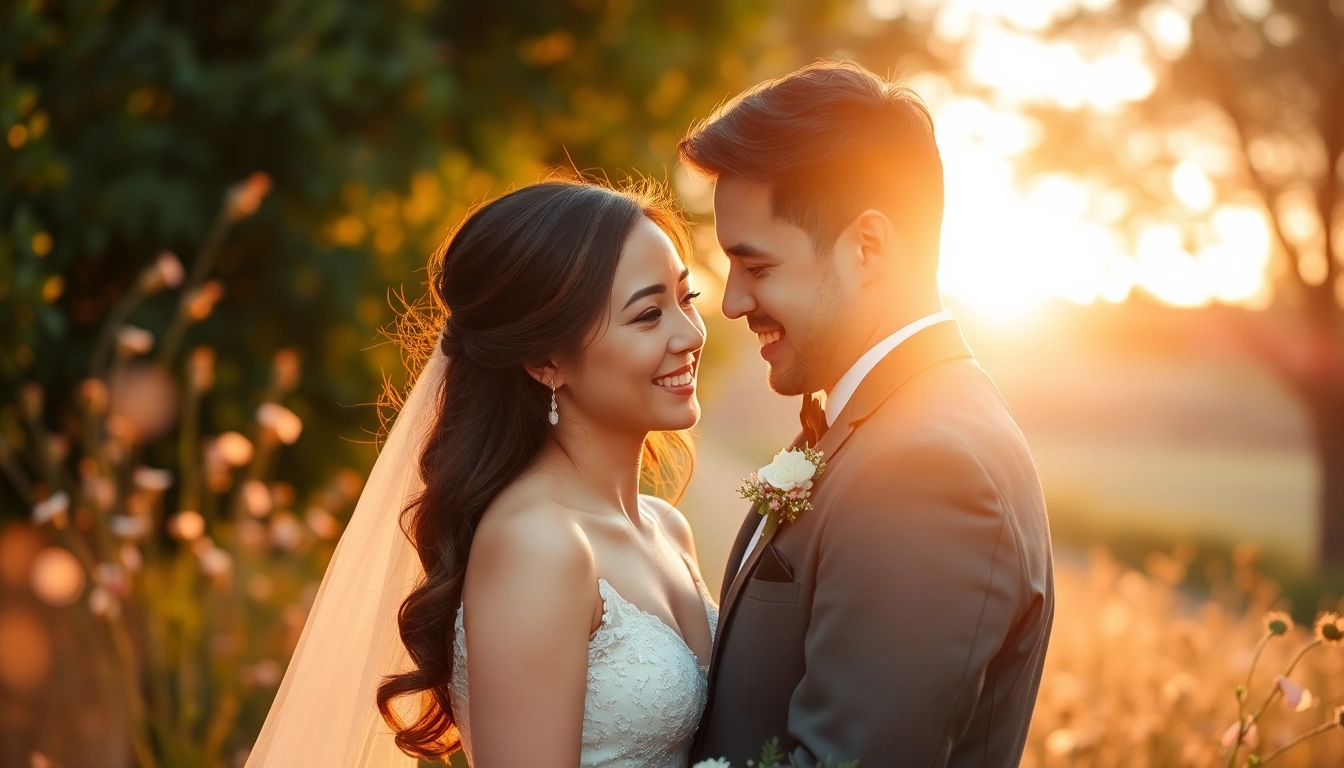
Wedding photography is a specialized form of photography that captures the events and emotions of weddings. This genre not only focuses on the couple but also encapsulates family interactions, the venue, and the intricate details that make each wedding unique. With an eye for storytelling, wedding photographers strive to document every moment—from the anticipation of the bride's preparations to the jubilant celebrations of guests on the dance floor. The primary goal is to create a narrative that couples can cherish for a lifetime.
The Importance of Wedding Photography
Capturing a wedding is about preserving memories. A wedding day can feel like a whirlwind, and the photographs serve as tangible reminders of vows made and moments shared. They allow couples to relive the emotions, love, and joy that filled their special day. Quality Wedding photography not only chronicles the events but also highlights the beauty and artistry behind the celebrations. Well-executed wedding photography can turn fleeting moments into timeless art.
Different Styles of Wedding Photography
Wedding photography comes in various styles, each with its own unique approach and aesthetic:
- Traditional: Focuses on posed group shots and classic portraits, ensuring that every key moment is captured methodically.
- Documentary: Also known as photojournalistic, this style captures candid moments and storytelling through photography, allowing the day’s events to unfold naturally.
- Fine Art: Emphasizes creativity and artistic expression, often employing unique perspectives and post-production techniques for a more stylized outcome.
- Fashion: Incorporates elements of fashion photography, emphasizing the details of the dress, decor, and the couple’s style, often capturing more dramatic and glamorous images.
- Vintage: Utilizes filters and editing techniques to evoke a nostalgic feel, reminiscent of past eras, allowing couples to relive a charming, timeless wedding ambiance.
Preparing for Your Wedding Photography
Choosing the Right Photographer
Selecting the right photographer can be one of the most crucial decisions during wedding planning. Couples should prioritize finding someone whose style resonates with their vision. It's essential to look through portfolios, read reviews, and consider arranging interviews with potential photographers. A good fit goes beyond technical skill; chemistry between the photographer and the couple is vital for capturing genuine emotions.
Discussing Your Vision and Needs
Once the photographer is chosen, discussing your vision, must-have shots, and special requirements is imperative. Couples should share their ideas, inspirations, and any traditions or specific moments they want captured. This collaboration helps in setting expectations and ensures that the photographer understands their unique love story. Planning should be clear, emphasizing the couple's desires to ensure those memorable moments aren’t missed.
Creating a Wedding Day Timeline
A well-organized timeline is fundamental for a seamless wedding photography experience. It allows the photographer to capture all key moments without feeling rushed. Couples should work closely with their planner and photographer to draft a schedule that includes time for preparations, ceremonies, portraits, and receptions. Having buffer times can alleviate stress and create opportunities for beautiful, spontaneous moments.
Key Techniques for Stunning Wedding Photography
Mastering Composition and Framing
Composition is vital in photography, significantly impacting the final image. Understanding principles like the rule of thirds, leading lines, and framing can elevate the quality of wedding photos. Photographers should be proficient in staging shots to incorporate natural elements, such as architecture or scenery, enhancing the overall aesthetics. Practicing varied compositions within the timeline can also yield diverse results, adding layers to the wedding story.
Utilizing Natural Lighting Effectively
Lighting plays a crucial role in photography, particularly during a wedding where conditions can vastly vary. Photographers should capitalize on natural light when possible, embracing golden hour for romantic portraits. However, they should also be prepared with equipment for low-light conditions, such as indoor receptions. Skillful manipulation of light can transform images from mundane to mesmerizing, making learning lighting techniques a priority for aspiring and professional photographers alike.
Incorporating Props and Personal Touches
Props can add a personal flair to wedding photography, enhancing the narrative of the couple’s story. Whether it's a favorite book, a family heirloom, or custom signs, integrating these elements helps portray the uniqueness of the couple. Photographers should encourage couples to think creatively about props and how they can encapsulate their journey, making the photography feel more personalized and engaging.
Post-Production Tips for Wedding Photography
Editing Techniques to Enhance Photos
Post-production is where the true magic of photography often occurs. Modern editing software allows photographers to fine-tune images, adjusting factors like exposure, contrast, and color balance to align with the desired aesthetic. Techniques like retouching blemishes, filtering for mood, or converting to black and white are effective strategies for enhancing storytelling. The balance lies in maintaining authenticity while creating visually stunning imagery.
Creating an Album that Tells Your Story
Assembling a wedding album goes beyond selecting beautiful images; it’s about creating a cohesive story. Photographers should consider the sequence of photos, transitioning smoothly from the ceremony to reception, reflecting the day’s emotional flow. High-quality print finishes and artistic design elements can elevate the final product. Working closely with clients during album design ensures that it reflects their personalities and the essence of their wedding day.
Sharing Your Photos on Social Media
In the digital age, social media plays a pivotal role in sharing wedding memories. Photographers should provide couples with guidelines on how to share their images effectively while respecting shared contracts and privacy agreements. Utilizing platforms like Instagram and Facebook allows couples to showcase their experience and generates potential referrals for the photographer. Creative hashtags and curated albums can foster engagement and keep the celebration alive online.
Frequently Asked Questions About Wedding Photography
What should I consider when hiring a wedding photographer?
Look for style, experience, and personality fit. Review portfolios and testimonials, and discuss your vision to ensure alignment with the photographer's approach.
How do I prepare for my wedding photography session?
Consult your photographer about desired shots, create a timeline, and consider locations, outfits, and props to ensure a smooth day.
What are some popular wedding photography styles?
Common styles include traditional, documentary, fine art, fashion, and vintage. Research and choose one that resonates with your wedding vision.
How can I ensure my wedding photography looks great?
Communicate with your photographer, choose a good venue with natural light, and create a timeline that allows for capturing all moments without rush.
What does the editing process involve?
Editing includes color correction, exposure adjustments, cropping, retouching, and creative enhancements. This process aims to produce cohesive and polished images.