Understanding lvp flooring Basics
Luxury Vinyl Plank (LVP) flooring has rapidly gained popularity among homeowners and designers looking to combine aesthetics with durability. Defined by its resemblance to hardwood, LVP flooring offers a practical solution for various spaces. It provides the look of real wood without the associated maintenance issues, making it a smart choice for both residential and commercial environments. Its advanced technology ensures realistic textures and visual appeal. For homeowners in Chicago and beyond, exploring lvp flooring options can lead to beautiful and functional spaces.
What is lvp flooring?
LVP flooring is a synthetic product designed to mimic the appearance of natural materials, primarily hardwood. This type of flooring combines multiple layers that enhance its durability and comfort underfoot. The top layer is often a protective coating that ensures it resists wear, stains, and scratches, making it ideal for high-traffic areas. Subsequently, it incorporates printed vinyl design layers that replicate the intricate patterns and textures of natural wood grain. Its core layers provide stability and support, contributing to its overall resilience.
Benefits of lvp flooring
Choosing lvp flooring comes with a plethora of advantages. These benefits make it an increasingly preferred option among homeowners:
- Durability: LVP flooring is resistant to moisture, making it suitable for areas like kitchens and bathrooms.
- Easy Installation: Many products feature a click-lock installation method, which simplifies the DIY process.
- Low Maintenance: Routine sweeping and occasional mopping are typically sufficient to keep it looking its best.
- Comfort and Warmth: LVP flooring feels comfortable underfoot and retains warmth better than ceramic tiles.
- Design Versatility: Available in various styles and colors, it allows for creative design solutions in any space.
Types of lvp flooring
There are three main types of lvp flooring, each offering unique attributes:
- Glue-down LVP: Ideal for commercial settings where a firmer bond is needed.
- Loose lay LVP: These planks can be installed without adhesive, making them easy to replace.
- Click-lock LVP: The most popular option for homeowners, it offers quick installation without glue or nails.
Installation Techniques for lvp flooring
Preparing the Subfloor for lvp flooring
The success of lvp flooring installation greatly depends on a well-prepared subfloor. Here are key steps to ensure the surface is ready:
- Clean the Subfloor: Remove all debris, dirt, and existing flooring materials to create a smooth surface.
- Check for Moisture: Test for moisture using a moisture meter, as excess moisture can compromise the integrity of the flooring.
- Repair Any Damage: Fill in any cracks or holes and ensure the subfloor is level; otherwise, the planks may warp or squeak.
Step-by-Step Installation Process
Installation can be straightforward if the correct steps are followed:
- Acclimate the Planks: Let the planks acclimate to the room temperature for 48 hours to prevent expansion or contraction.
- Lay Down underlayment: If required, install a moisture barrier or sound-dampening underlayment.
- Start Laying Planks: Begin in one corner, following the manufacturer's instructions for the specific product.
- Cut Around Obstacles: Use a utility knife for any necessary cuts around doors and cabinetry for a snug fit.
- Finish with Trim: Install baseboards or quarter rounds to cover any expansion gaps and create a finished look.
Common Installation Mistakes to Avoid
To ensure a flawless installation, avoid these common pitfalls:
- Ignoring Subfloor Condition: Skipping the preparation of the subfloor can lead to uneven flooring.
- Incorrect Acclimation: Not allowing the planks to adjust to room temperature can affect installation quality.
- Skipping Underlayment: Neglecting this step can lead to noise issues and moisture problems.
Maintenance and Care for lvp flooring
Daily Cleaning Tips for lvp flooring
Keeping lvp flooring clean is simple with a few daily practices:
- Sweeping or Vacuuming: Regularly remove dirt and debris to prevent scratches.
- Spot Cleaning: Use a damp microfiber cloth to wipe up spills immediately.
- Avoid Harsh Chemicals: Choose gentle cleaners designed specifically for vinyl flooring.
Long-Term Care Strategies for lvp flooring
To maintain your lvp flooring's appeal over time, consider these strategies:
- Periodic Deep Cleaning: Every few months, conduct a thorough clean with a recommended vinyl cleaner.
- Protection Under Furniture: Use felt pads to prevent scratching from furniture legs.
- Control Temperature and Humidity: Keep indoor conditions stable to prevent floor movement.
Dealing with Scratches and Scuffs
Even with proper care, scratches may occur. Here are methods to manage them:
- Use a Repair Kit: Many manufacturers offer repair kits to fill scratches.
- Buff Light Scratches: A soft cloth or vinyl floor restorer can often alleviate minor imperfections.
- Replace Affected Planks: In cases of severe damage, individual planks can be replaced easily.
Design Inspirations Using lvp flooring
Choosing the Right Color and Style
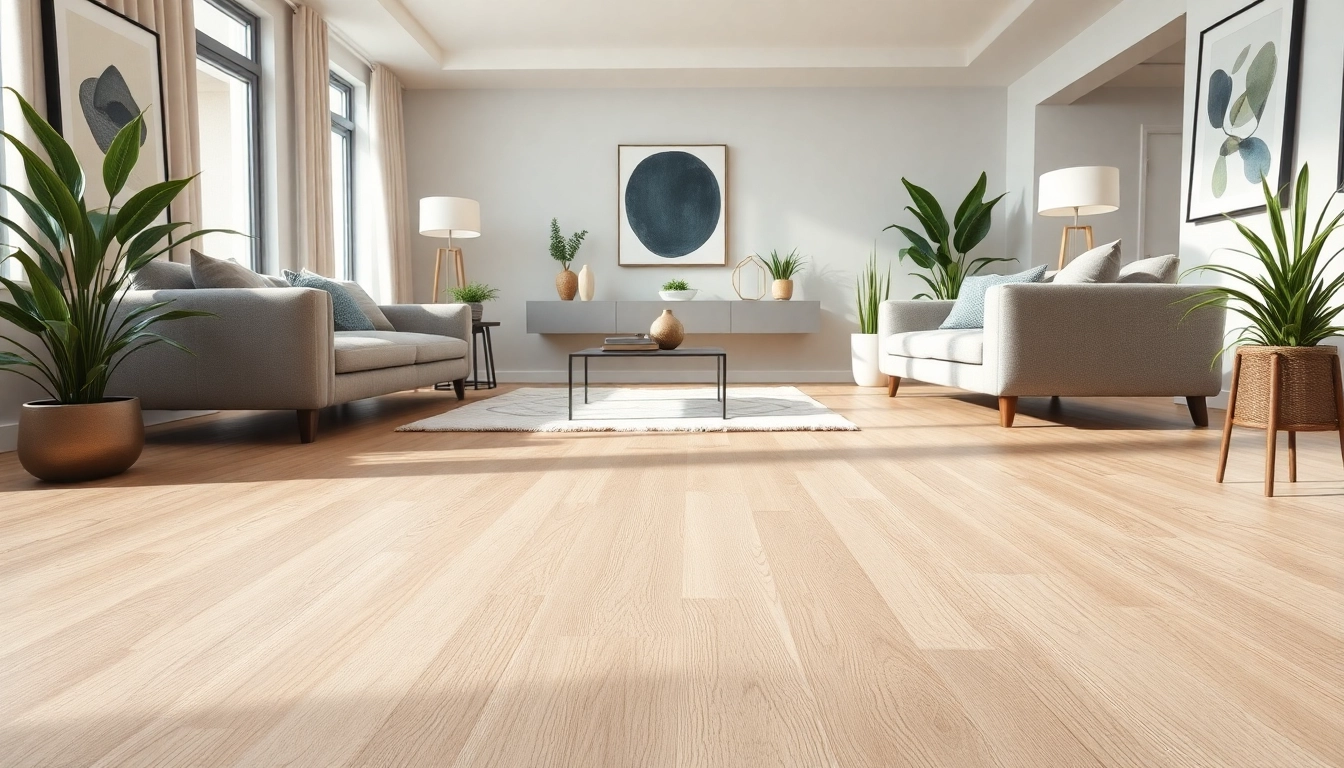
Selecting the right color and style of lvp flooring can heavily influence the overall ambiance of a room. Here are some ideas:
- Light Colors: They create an airy and spacious feel, perfect for smaller spaces.
- Dark Woods: These can provide a dramatic and elegant look, ideal for formal dining areas.
- Textured Finishes: Opting for embossed finishes can elevate the authenticity of the flooring's appearance.
Integrating lvp flooring with Home Decor
To ensure that lvp flooring complements your home decor, consider the following:
- Matching Accent Colors: Use complementary colors in wall paint or furnishings.
- Consistent Style: Coordinate your flooring choice with existing elements, like cabinetry and furniture.
- Area Rugs: Utilize area rugs to define spaces and add texture against the flooring.
Creating Zones with lvp flooring
LVP flooring can aid in visually defining areas within open floor plans. Here’s how:
- Color Variation: Different shades can delineate spaces like the dining area from the living room.
- Patterns and Styles: Use different styles, such as planks versus tiles, to create zones.
- Furniture Arrangement: Strategically arranged furniture can also help create distinct functional spaces.
Frequently Asked Questions about lvp flooring
Is lvp flooring waterproof?
Many lvp flooring products are water-resistant or waterproof, making them suitable for kitchens and bathrooms. However, checking individual product specifications is crucial for assurance.
How long does lvp flooring last?
With proper care and maintenance, lvp flooring can last between 10 to 25 years, depending on the product quality and usage.
Can lvp flooring be installed over existing floors?
Yes, one of the benefits of lvp flooring is that it can be installed over many existing flooring types, provided the surface is clean and level.
What’s the cost of lvp flooring?
The cost of lvp flooring varies widely based on quality and design but typically ranges from $2 to $5 per square foot, excluding installation costs.
How do I clean lvp flooring properly?
To clean lvp flooring, use a broom or vacuum for daily maintenance and a damp cloth with a gentle cleaner for spills. Avoid abrasive tools or harsh chemicals.