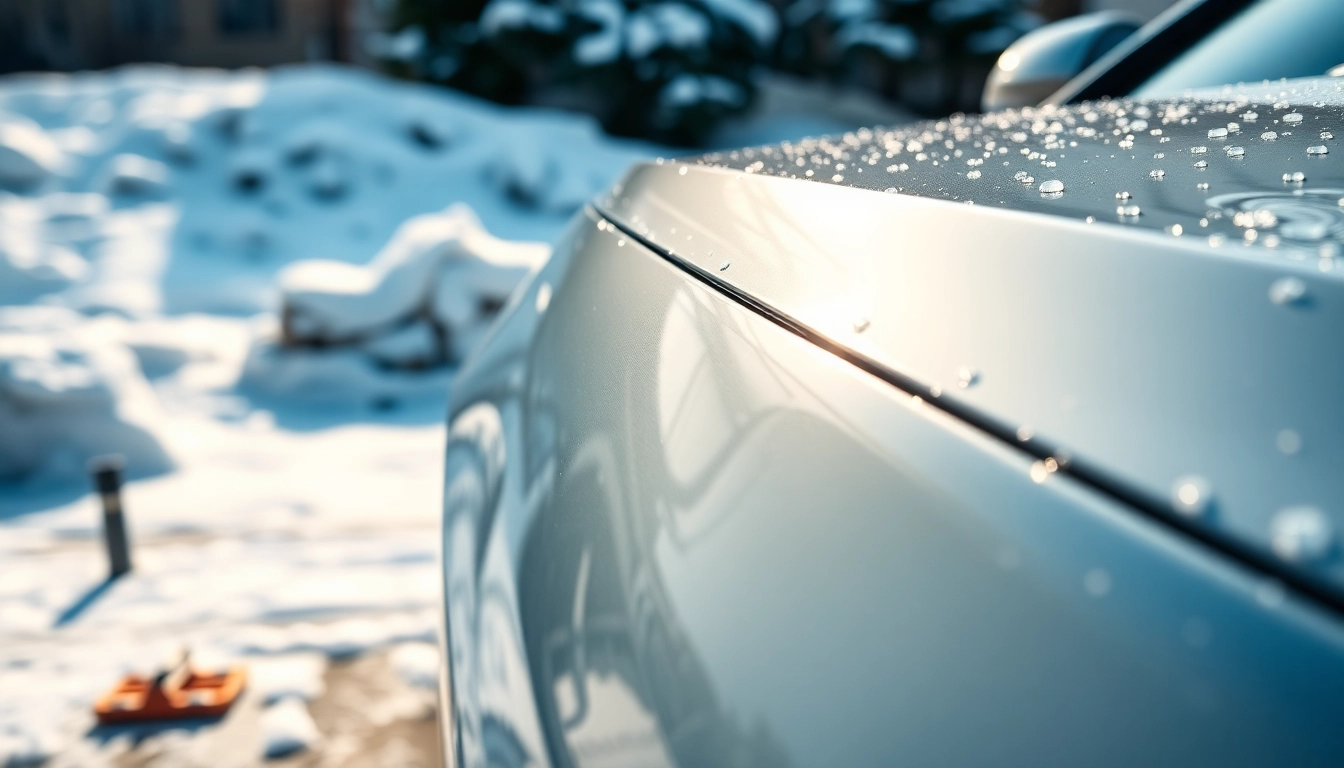
Understanding the Importance of Winter Car Protection Chattanooga
Winter can be a challenging season for car owners in Chattanooga. The combination of cold weather, snow, ice, and road salt can significantly harm your vehicle. Understanding the importance of winter car protection Chattanooga is crucial to keeping your vehicle in optimal condition. Here, we’ll explore why winter is tough on your vehicle, the benefits of proper protection, and dispel some common misconceptions about car care in winter.
Why Winter is Tough on Your Vehicle
During winter, cars face a unique set of stressors. Cold temperatures can cause battery failure, as batteries lose about 35% of their effectiveness at around 32°F. Furthermore, icy road conditions increase the risk of accidents. Additionally, road salt, while it helps improve traction, can lead to rust and corrosion on your vehicle's frame and undercarriage if not properly washed off. These factors can culminate in expensive repairs if not adequately addressed.
Benefits of Proper Winter Protection
Investing in winter car protection offers numerous benefits. Primarily, it extends your vehicle's lifespan by preventing rust and mechanical issues. Proper sealing and waxing protect the paint, maintaining the vehicle’s aesthetic appeal. Additionally, protective measures enhance safety by improving visibility through well-maintained windshields and functional headlights. Overall, protecting your car in winter saves money and ensures peace of mind.
Common Misconceptions About Car Care in Winter
Many car owners hold misconceptions regarding winter vehicle maintenance. Some believe that washing their car is unnecessary in winter, while in reality, regular washing is vital to remove salt and dirt. Others think that all tires are suitable for winter conditions, but standard tires may lack the required traction. Recognizing and debunking these myths is essential for effective winter car care.
Top Strategies for Winter Car Protection Chattanooga
Choosing the Right Wax and Sealants
One of the most effective strategies for winter car protection is using the right wax and sealants. Synthetic waxes create a robust protective layer against dirt, ice, and road salt. They last longer than natural waxes and provide higher durability against the rigors of winter. Additionally, apply a sealant that protects your car’s paint from harmful environmental elements during the winter months.
How to Protect Your Car’s Interior
Protecting your vehicle's interior during winter is equally important. The use of floor mats prevents mud and snow from damaging the carpets. Seat covers can help protect against spills from snow-covered clothes. Moreover, applying an interior protectant on dashboards and trim can guard against cracking and fading due to temperature fluctuations.
Tips for Maintaining Tire Health in Winter
Maintaining your tires during winter is critical for safety. First, ensure your tires have sufficient tread depth, ideally at least 3/16 inches. Additionally, consider switching to winter tires, which provide better traction in snow and ice compared to all-season options. Regularly check tire pressures, as cold air decreases tire inflation. A well-maintained tire not only ensures safety but also enhances fuel efficiency.
Best Products for Winter Car Protection Chattanooga
Reviewing Essential Winter Care Products
Several products can significantly aid in winter car protection. A high-quality car wax or sealant specifically designed for winter use is a must. Additionally, specialized windshield washer fluid that works effectively in low temperatures will enhance visibility. For added protection, consider a rust inhibitor that can be applied to your vehicle's undercarriage and areas exposed to road salt.
DIY Solutions vs. Professional Services
When it comes to winter car protection, DIY solutions can be effective but may not match the results from professional services. While waxing your car at home can save you money, professionals often have access to superior products and techniques that can enhance protection. Balancing DIY tasks, like regular cleaning and checking fluid levels, with professional detailing and protective services can yield the best results.
Cost-Effective Options for Winter Protection
Many cost-effective options can protect your vehicle during winter. Regular maintenance, such as washing your vehicle bi-weekly to remove road salt, won’t break the bank. Buying a good set of all-weather floor mats is also a reasonable investment that pays off. Moreover, consider bulk purchasing of winter car care products, which can reduce costs over time.
Preparing for Extreme Winter Conditions
How to Winterize Your Car Effectively
Winterizing your car involves several steps to ensure it operates efficiently during harsh weather. Start with fluid checks, ensuring that your antifreeze and oil are appropriate for winter conditions. Inspect your battery and charging system, as these are often problematic in cold weather. Finally, check your brakes and exhaust systems to ensure they are in optimal condition for winter driving.
Signs Your Vehicle Needs Immediate Care
Being proactive about car trouble can prevent accidents or breakdowns during winter. If you observe signs such as difficulty starting your car, warning lights on the dashboard, unusual noises, or changes in handling, seek assistance immediately. Addressing these issues early can save you from more significant problems later.
Emergency Kits for Winter Driving
Having a well-stocked emergency kit can be a lifesaver during winter. Your kit should include jumper cables, a flashlight, flares, a first aid kit, blankets, non-perishable snacks, water, and a shovel. Additionally, having an ice scraper and tire chains can be invaluable. Regularly check and replenish your emergency kit to ensure it remains complete and ready for use.
Frequently Asked Questions About Winter Car Protection Chattanooga
How often should I wax my car in winter?
You should wax your car every six to eight weeks during winter for maximum protection against the elements.
What interior protections prevent winter damage?
Use all-weather floor mats and seat covers to protect against moisture, dirt, and salt during cold months.
Are all-season tires suitable for winter conditions?
All-season tires can handle light winter conditions but aren’t as effective as winter-specific tires in severe weather.
What maintenance should I do before winter?
Prioritize battery checks, fluid replacements, and tire inspections to ensure your car is ready for winter conditions.
How can I keep my windshield clear in snow?
Use a quality windshield washer fluid rated for low temperatures and ensure your windshield wipers are in good condition.