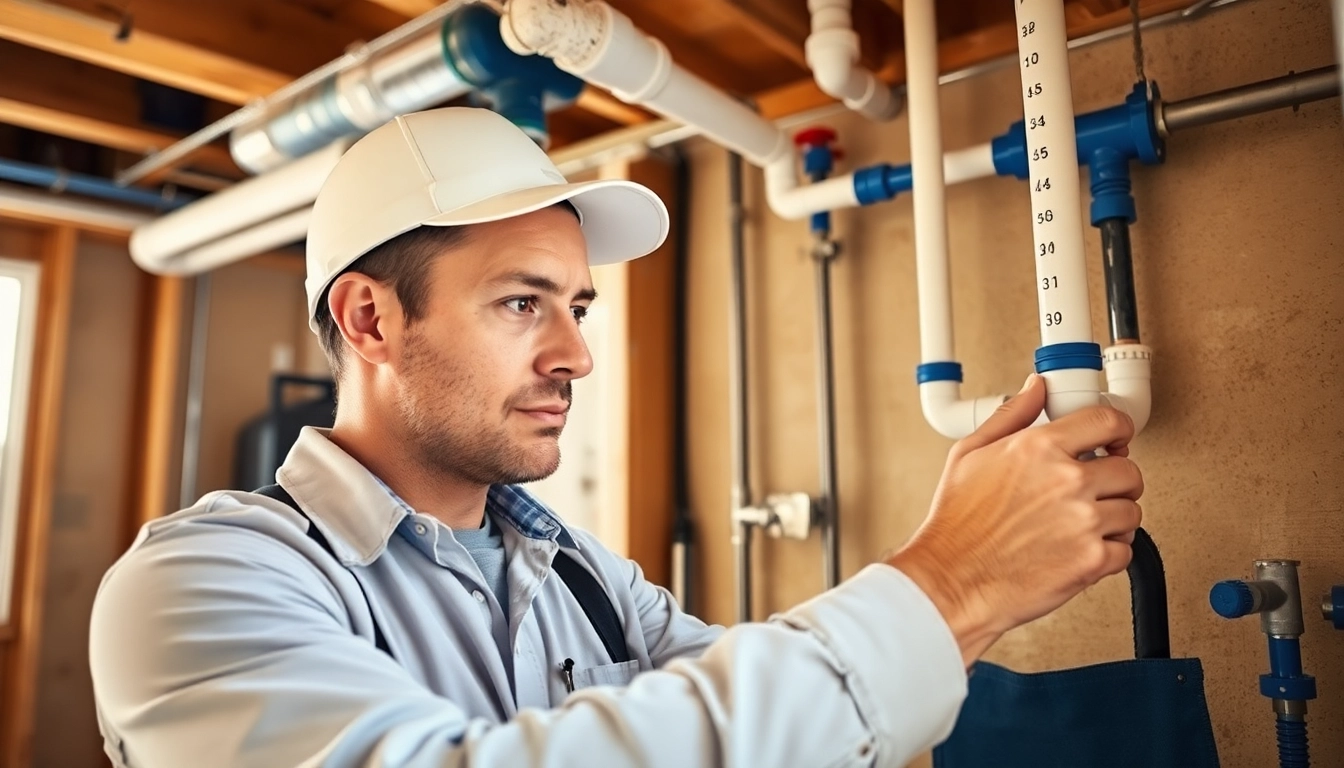
Understanding Whole House Repiping Saint Petersburg FL
Whole house repiping is a crucial process for maintaining the integrity and efficiency of your home’s plumbing system. It involves replacing old and potentially hazardous pipes with new materials that ensure safe and optimal water flow. In areas like Saint Petersburg, FL, where humidity and age can affect plumbing, understanding the need for repiping is essential for homeowners. If you’re considering Whole House Repiping Saint Petersburg FL, this guide will provide detailed insights into its importance, process, and decision-making factors.
The Basics of Whole House Repiping
Whole house repiping is a comprehensive solution for homes with outdated, corroded, or failed piping systems. Various factors prompt homeowners to choose repiping over basic repairs. By installing new pipes, homeowners can improve water quality, reduce health risks, prevent major leaks, and enhance overall plumbing performance. Typically, the process involves assessing the entire plumbing system, removing the old pipes, and installing new ones made from more durable materials, such as PEX or copper.
Why Repiping is Necessary for Your Home
Your home's plumbing system is an essential network that requires regular maintenance to function efficiently. Copper pipes, which were once common, can corrode over time, leading to leaks and water quality issues. Likewise, older galvanized steel pipes can cause rust and sediment buildup. Repiping not only mitigates these risks but is a proactive approach to modernizing your home’s plumbing. Thus, timely repiping can lead to long-term savings on repairs and improved home value.
Common Signs That Indicate a Need for Repiping
Recognizing when your plumbing requires serious attention is vital. Here are common signs indicating you might need to consider repiping:
- Frequent Leaks: If you experience continual pipe leaks, it may be a sign of a deteriorating plumbing system.
- Poor Water Pressure: A decrease in water pressure can often be traced back to clogged or corroded pipes.
- Discolored Water: Brown or rust-colored water can indicate corrosion in the pipes.
- Unusual Sounds: Gurgling or banging noises in the plumbing can suggest air pockets or faulty piping.
- Water Bill Spikes: Unexpected increases in your water bill can indicate leaks or inefficiencies in the plumbing.
Choosing the Right Materials for Repiping
When considering repiping, material selection plays a crucial role in determining the longevity and efficiency of your plumbing system. Different materials offer varying levels of durability, cost, and environmental impact.
Popular Pipe Materials: Pros and Cons
- Copper: Highly durable and resistant to corrosion, copper pipes are a traditional choice. However, they can be expensive and require specific skills for installation.
- PEX: Cross-linked polyethylene (PEX) is popular for its affordability and flexibility. It is resistant to scale and chlorine, does not corrode, and is easier to manage during installation.
- CPVC: Chlorinated polyvinyl chloride is another alternative that is cost-effective and easy to install. It's resistant to high temperatures but may not be as durable in the long run compared to copper.
- Galvanized Steel: Though once common, galvanized steel is prone to rust and is often not recommended for repiping due to its deteriorating nature.
Environmental Impact of Different Pipe Types
Different plumbing materials have varying environmental footprints. PEX, for example, is considered more eco-friendly compared to copper due to lower resource extraction impacts. However, PEX pipes cannot be recycled and have limited disposal options. Copper, while recyclable and durable, has a significant resource extraction impact associated with its production. Homeowners should weigh these factors when choosing repiping materials, considering both their immediate needs and long-term environmental implications.
Cost Factors of Pipe Materials in Saint Petersburg
Costs associated with repiping can vary greatly depending on the materials chosen, labor costs, and the specifics of the plumbing system in your home. Here’s a brief overview of cost factors:
- Material Costs: Copper is typically more expensive than PEX or CPVC, affecting overall project budgets.
- Labor Costs: Experienced plumbing contractors in Saint Petersburg typically charge a higher rate for installation but ensure quality workmanship.
- Complexity of Installation: Homes with intricate plumbing configurations may incur higher costs due to the added labor involved in the process.
Planning Your Whole House Repiping Project
Planning is essential for a successful whole house repiping project. Thorough preparation ensures minimal disruption and maximizes efficiency during the installation process.
Steps to Prepare Your Home for Repiping
- Assess Your Current Plumbing: Identify areas which are in need of replacement.
- Consult with a Professional: Hire a qualified plumber to assess your needs and provide guidance.
- Clear Work Areas: Prepare your home by removing obstacles near plumbing access points.
- Communicate with Household Members: Inform everyone about potential temporary disruptions in water service.
What to Expect During the Repiping Process
The repiping process can vary based upon the specific configuration of your plumbing system. Typically, you can expect the following:
- Evaluation Phase: An initial inspection and assessment of your existing plumbing.
- Installation Phase: Removal of old pipes and installation of new materials, which may result in temporary water service interruption.
- Testing Phase: Once new pipes are in place, the system is tested for leaks and functionality before finishing touches.
Timeline for a Whole House Repiping Project
The duration of a repiping project often depends on the home's size and complexity. Generally, homeowners can expect the project to take 1 to 3 days. An efficient contractor will keep you informed throughout the entire process, ensuring you know what to expect at each stage.
Hiring Professionals for Whole House Repiping
Choosing the right plumbing contractor for your repiping needs can significantly impact the outcome of your project. It’s essential to hire experienced professionals who are reputable and trustworthy.
What to Look for in a Repiping Contractor
When searching for a qualified plumbing contractor, consider the following:
- Licensing and Insurance: Ensure your plumbing contractor holds the necessary licenses and insurance to perform work in your area.
- Experience: Look for a contractor with experience specifically in repiping projects.
- Reviews and References: Check online reviews and ask for references to gauge their past performance and reliability.
Questions to Ask Before Hiring
Before hiring a plumbing contractor, consider asking the following questions:
- How many repiping projects have you completed in the past year?
- What materials do you recommend for this project and why?
- Can you provide a detailed estimate of the costs involved?
- What is your warranty policy on materials and labor?
- How will disruptions to water service be managed during the repiping?
Building Trust with Your Plumbing Service
Trust is fundamental in the contractor-client relationship. Clear communication and transparency throughout the project can reassure homeowners, allowing them to feel confident in their contractor's skills. Regular updates, progress reports, and being open to your questions will help foster a good relationship.
Cost Considerations and Financing Options
The financial aspect of whole house repiping is a significant consideration for many homeowners. Understanding costs and potential financing options can make this essential investment more manageable.
Average Costs for Whole House Repiping in Saint Petersburg FL
The average cost for whole house repiping in Saint Petersburg can vary widely based on several factors, including materials and labor. Homeowners can expect to pay anywhere between $4,000 and $15,000. A detailed assessment by a qualified plumber will provide a more accurate estimate specific to your home.
How to Get Quotes and Compare Prices
Getting multiple quotes from different contractors is advisable. Ensure that each quote includes a detailed breakdown of costs, including materials, labor, and any additional fees. Comparing quotes allows homeowners to make informed decisions regarding budget and contractor selection.
Understanding Financing Options for Repiping Services
Financing options may be available through your chosen plumbing contractor or through third-party lenders. Many homeowners take advantage of financing plans that offer manageable monthly payments, making it easier to afford the cost of repiping without excessive financial strain.
FAQs
What is whole house repiping?
Whole house repiping is the process of replacing old, damaged pipes in a home with new ones, improving water quality and flow.
How long does repiping take?
The duration varies by home size and complexity, typically ranging from 1 to 3 days for most residential projects.
What should I expect during a repiping project?
Expect detailed inspections, minimal disruption, and the potential need for temporary water service interruptions.
How can I prepare my home for repiping?
Clear areas around plumbing access points, relocate valuables, and consult your contractor for any specific instructions.
Are there financing options for repiping?
Yes, many contractors offer financing plans to help homeowners manage the cost of repiping services.