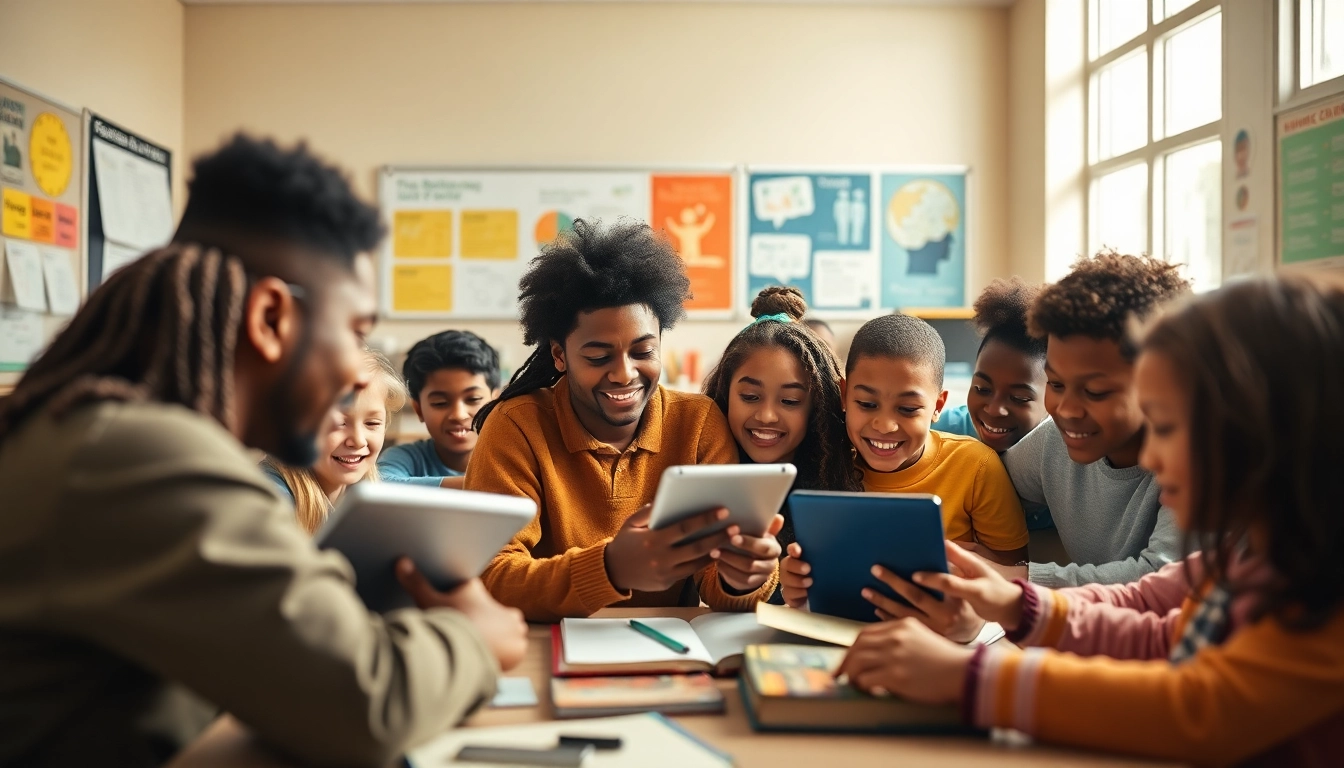
Understanding the Core of Education Today
Education serves as the cornerstone of society, shaping the future of generations to come. In an increasingly complex world, the need for equitable access to quality education has never been more essential. It fosters critical thinking, nurtures creativity, and empowers individuals to seek opportunities that lead to personal and professional growth. As an advocate for innovative educational reform, Dr. Matthew Lynch emphasizes the importance of new approaches that align with the demands of a globalized society. When exploring options, education plays a pivotal role in dismantling barriers that prevent learners from achieving their full potential. This article delves into the evolving landscape of education, focusing on current trends, challenges, and future directions.
The Definition and Importance of Education
At its core, education is the systematic process of imparting knowledge, skills, values, and attitudes. It extends beyond formal schooling; education encompasses informal and non-formal learning experiences that contribute to holistic personal development. As defined by the U.S. Department of Education, education is vital for equipping individuals with the competencies needed to navigate the complexities of modern life, thus emphasizing its role in fostering informed citizenship and economic productivity.
The importance of education transcends individual achievement; it is a fundamental driver of societal progress. Access to quality education is linked to improved health outcomes, reduced poverty, and enhanced civic engagement. According to UNESCO, every additional year of schooling increases an individual's lifetime earnings by approximately 10%, reinforcing the notion that education is not merely a personal benefit but a societal investment.
Current Trends in Education Reform
As the educational landscape evolves, several trends are shaping the future of learning. These trends reflect a shift towards personalized and inclusive education, leveraging technology to enhance learning experiences. Here are some notable trends:
- Personalized Learning: Emphasizing individualized pathways, this approach tailors educational experiences to meet the diverse needs of students.
- Social-Emotional Learning (SEL): Recognizing the importance of emotional intelligence, SEL integrates emotional and social skills into the curriculum to foster well-being.
- Blended Learning: Combining traditional classroom instruction with online learning, blended formats allow for greater flexibility and accessibility in educational settings.
- Culturally Relevant Pedagogy: This trend focuses on incorporating students' cultural references into the learning experience, promoting engagement and inclusivity.
Challenges Facing Educational Equity
Despite advances in educational opportunities, significant disparities persist, particularly among marginalized groups. Challenges to achieving educational equity include:
- Socioeconomic Barriers: Economic disadvantages can limit access to resources such as technology and tutoring, adversely impacting student performance.
- Racial and Ethnic Disparities: Systemic discrimination often results in unequal educational outcomes for students of color, necessitating targeted interventions.
- Special Needs Education: Inadequate support for students with disabilities continues to be a critical area for reform, as many fail to receive appropriate accommodations.
- Digital Divide: The lack of access to technology in low-income households exacerbates educational inequities, particularly in remote learning contexts.
Advocating for Education Equity
Defining Education Equity in 2026
Education equity means ensuring that all students have access to high-quality education and the resources they need to succeed, regardless of their background. It encompasses a commitment to dismantling structural inequities within the education system, advocating for policies that prioritize underserved communities, and ensuring that every student has the support necessary to thrive.
By 2026, education equity will demand a comprehensive approach that includes funding reforms, culturally responsive teaching, and community engagement initiatives designed to place power back into the hands of families and local communities.
Strategies for Promoting Fairness in Learning
To address inequities in education, several strategic approaches are essential:
- Inclusive Policies: Educational institutions should adopt policies prioritizing equity, including scholarship programs, targeted recruitment for underrepresented groups, and equitable resource distribution.
- Collaboration with Community Partners: Engaging families and community organizations fosters collaborative support systems that reinforce educational efforts.
- Focus on Culturally Responsive Curriculum: Integrating diverse perspectives into the curriculum enhances relevance and relatability, promoting engagement among all students.
- Professional Development for Educators: Continuous training in equity-focused pedagogies equips educators with the tools to recognize and address biases within their classrooms.
Case Studies of Successful Equity Initiatives
Examining successful equity initiatives can provide valuable insights for future efforts. Some noteworthy examples include:
- Cleveland Metropolitan School District: Implementing a comprehensive equity policy that addresses disparities in access and resources, resulting in significant improvements in student performance.
- San Diego Unified School District: The launch of the “Equity Blueprint,” which focuses on data-driven practices to ensure equitable outcomes across various student demographics.
- Chicago Public Schools: The “Restorative Justice” initiative has transformed school discipline practices, fostering healthier school climates and reducing suspension rates among marginalized students.
Innovative Approaches to Education
Integrating Technology into Learning Environments
Technology has revolutionized education, offering new tools and resources that enhance learning outcomes. By integrating technology into classrooms, educators can create more engaging and interactive environments. Notable technological innovations include:
- Adaptive Learning Platforms: These platforms use algorithms to tailor educational content to individual student needs, promoting personalized learning experiences.
- Virtual Reality (VR) and Augmented Reality (AR): These technologies provide immersive learning experiences that engage students in novel ways, allowing for explorations of complex subjects.
- Online Collaborative Tools: Platforms such as Google Classroom foster collaboration and communication among students, enabling peer learning and engagement.
Project-Based Learning and Its Benefits
Project-based learning (PBL) is an instructional approach that emphasizes real-world applications of knowledge through collaborative projects. PBL encourages student engagement, critical thinking, and problem-solving skills by allowing learners to:
- Work on interdisciplinary projects that integrate multiple subject areas.
- Develop practical skills by addressing real-world challenges.
- Engage with community stakeholders, building connections beyond the classroom.
Fostering Creativity and Critical Thinking
Education systems must prioritize creativity and critical thinking to prepare students for an uncertain future. Encouraging these skills involves:
- Providing opportunities for exploration and experimentation in the classroom.
- Integrating arts education into the core curriculum to promote creative expression.
- Implementing inquiry-based learning where students ask questions, investigate, and discover answers collaboratively.
Implementing Effective Education Strategies
Best Practices for Educators
To foster student engagement and success, educators should employ several best practices:
- Establish Rapport with Students: Building relationships fosters a positive learning environment where students feel valued and motivated.
- Differentiated Instruction: Tailoring instructional strategies to meet the diverse needs of learners enhances engagement and promotes equity.
- Utilizing Formative Assessment: Ongoing assessments provide valuable feedback that informs instructional decisions, helping educators adjust their approaches to support student learning.
Measuring Performance and Success in Education
Evaluating student performance and success requires a multifaceted approach that goes beyond standardized testing. Key metrics should include:
- Holistic assessment practices that consider personal growth, creativity, and social-emotional skills.
- Engagement metrics that gauge student participation and enthusiasm for learning.
- Longitudinal studies tracking success beyond graduation to assess the long-term impact of educational interventions.
Adapting to Diverse Learning Needs
The diversity of student populations necessitates a flexible approach to education. Strategies for adapting to diverse learning needs include:
- Implementing Universal Design for Learning (UDL) principles to create accessible learning environments.
- Offering multiple means of engagement, representation, and action/expression to accommodate various learning styles.
- Creating Individualized Education Plans (IEPs) for students with disabilities to ensure tailored support and resources.
Future Trends and Predictions in Education
The Role of AI in Shaping Education
Artificial intelligence (AI) is set to revolutionize education by enabling personalized learning experiences. AI-driven tools can analyze student data to provide real-time feedback and recommendations for both educators and learners. As AI continues to develop, we can expect:
- Enhanced learning analytics that help identify at-risk students and tailor interventions.
- Intelligent tutoring systems that provide personalized support and resources based on individual learning trajectories.
- Automation of administrative tasks, allowing educators to focus more on teaching and less on bureaucracy.
Emerging Educational Technologies by 2026
By 2026, several emerging technologies are anticipated to transform educational practices further:
- Artificial Intelligence: AI will offer solutions for personalized learning, predictive analytics, and enhancing administrative efficiency.
- Blockchain: Credentialing and constant records will enhance transparency and security in educational credentials.
- Gamification: Integrating game elements into learning will foster engagement and motivation among students.
Preparing Students for a Globalized Future
The future of education must prepare students for an interconnected world. This involves:
- Instilling global competencies such as cultural awareness, collaboration, and adaptability.
- Encouraging multilingualism, recognizing that language skills are invaluable in a global economy.
- Fostering critical thinking and problem-solving skills that are essential for navigating complexities in diverse environments.