Understanding Chenin Blanc Varieties
Exploring Different Styles of Chenin Blanc
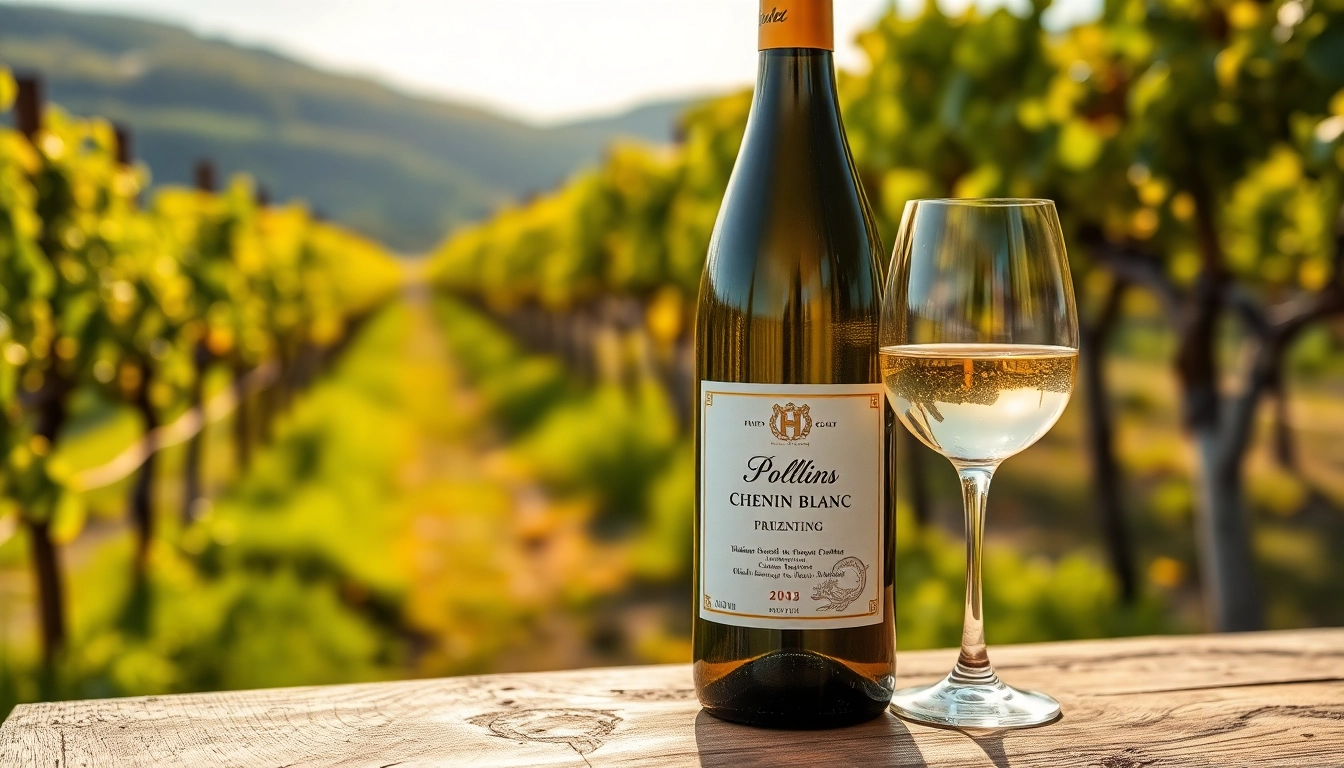
Chenin Blanc is a versatile white grape variety known for its wide range of styles, making it a favorite among wine enthusiasts. From bone-dry to dessert wines, the grape's adaptability shines through different winemaking techniques. Dry Chenin Blanc offers crisp acidity and flavors reminiscent of green apple and lemon, while off-dry versions often showcase notes of honey and stone fruits. Sweet styles, typically found in regions like the Loire Valley, present rich, luscious flavors balanced by vibrant acidity. The different styles reflect not just the terroir but also the winemaker's vision, making each bottle a unique expression of the grape’s potential. For those interested in delving deeper into the world of Chenin Blanc, Chenin Blanc is an excellent starting point.
Regions Known for Exceptional Chenin Blanc
The history and legacy of Chenin Blanc are deeply rooted in the Loire Valley, France, where it thrives in diverse terroirs from the classic white wines of Vouvray to the rich dessert wines of Montlouis. South Africa has emerged as a powerhouse for Chenin Blanc, producing an array of styles that emphasize bold fruit flavors and a refreshing crispness. Here, Chenin Blanc is often grown in old bush vines, contributing to the wine’s complexity. Other notable regions for this grape include California, particularly in cooler coastal areas, and Australia, where the grape is increasingly gaining attention for its distinctive profile shaped by the local climate and winemaking practices.
Characteristics that Define Chenin Blanc
The characteristics of Chenin Blanc are what make it uniquely appealing. Its high acidity is a standout feature, allowing it to age gracefully and complement a variety of dishes. The flavor profile can include green apple, pear, quince, and floral notes, alongside a minerality that can range from steely to plush. As the wine ages, expect an evolution into more complex flavors such as honey, caramel, and dried fruits. This adaptability means that every bottle can tell a different story, shaped by where it’s grown and how it’s made.
Food Pairing with Chenin Blanc
Classical Pairings for Chenin Blanc
Pairing food with Chenin Blanc presents numerous delightful options, as its versatility complements diverse cuisines. A classic pairing is with seafood—think oysters, grilled fish, or creamy seafood pasta, where the wine’s acidity cuts through the richness. Poultry dishes, especially those with fruity sauces, harmonize beautifully with the grape's flavor profile. Additionally, spicy Asian cuisine, such as Thai or Indian dishes, finds a wonderful ally in Chenin Blanc, as the wine’s sweetness balances the heat of the spices.
An Artisanal Approach to Pairings
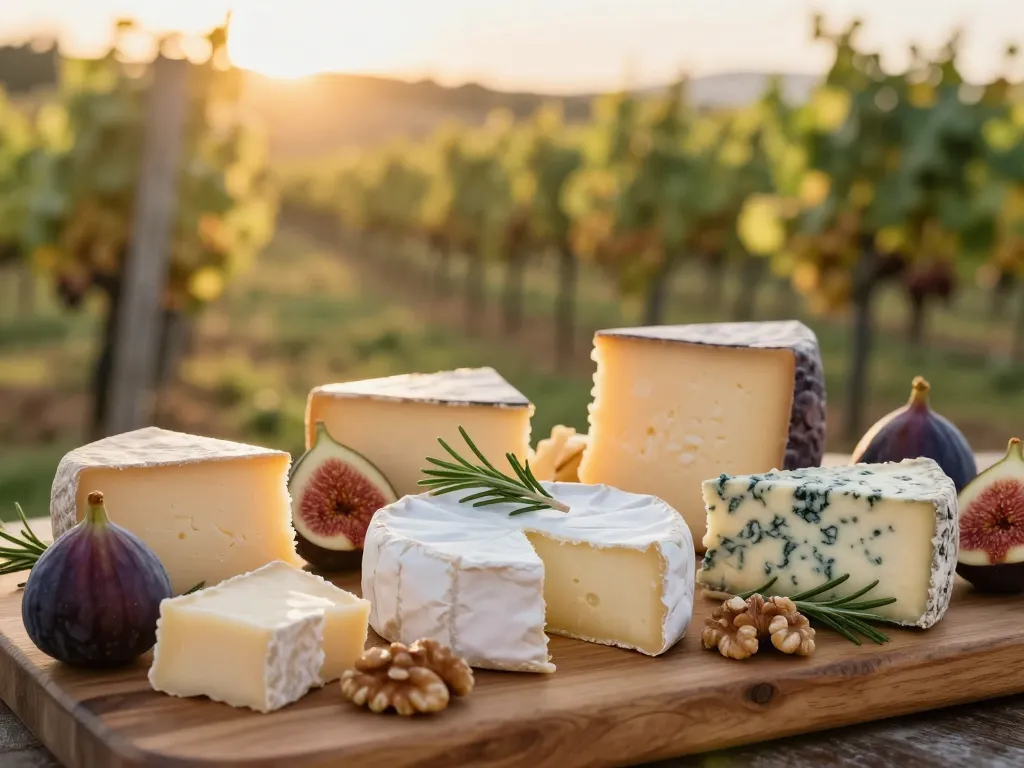
Going beyond traditional pairings, an artisanal approach invites experimentation. Consider charcuterie boards featuring salty cheeses and cured meats, where the wine's fruitiness contrasts nicely. For a unique twist, pair it with earthy mushroom risotto, blending the wine’s freshness with the dish's umami flavors. Combining Chenin Blanc with bold flavors like gorgonzola or blue cheese can surprise and delight the palate, creating a dining experience that explores the interplay of tastes.
Wine Pairing Myths: Chenin Blanc Edition
Many myths surround wine pairings that can deter enthusiasts from exploring Chenin Blanc. One common myth is that white wines should only accompany white dishes. In fact, Chenin Blanc's versatility allows it to pair well with red meats, especially when served in lighter preparations. Another misconception is that sweeter wines cannot complement savory dishes; however, an off-dry Chenin Blanc can enhance the flavors of spicy and salty foods, proving that rules can be bent for a better experience.
Health Benefits of Chenin Blanc
Moderation and Its Positive Effects
Enjoying Chenin Blanc in moderation can lead to several health benefits. Wine, including Chenin Blanc, has been associated with improved cardiovascular health when consumed responsibly. Moderate wine consumption allows for the potential to lower the risk of heart disease, attributed to antioxidants like resveratrol found in the grape. Balance is key; enjoying a glass while being mindful of quantity creates a positive experience without overindulgence.
Antioxidants Found in Chenin Blanc
Chenin Blanc is rich in antioxidants, which play a vital role in combating oxidative stress in the body. These antioxidants can help reduce inflammation and may contribute to overall longevity. Importantly, moderating intake allows these health benefits to be enjoyed without adverse effects, making it essential to cherish each sip rather than consume in excess.
Chenin Blanc and Heart Health
The heart-healthy benefits of Chenin Blanc stem from its potential ability to increase good cholesterol (HDL) levels while lowering bad cholesterol (LDL). Studies suggest that components in wine, such as phenolic compounds, contribute to cardiovascular health, making a glass of Chenin Blanc a delicious ally for those mindful of their heart health. Again, moderation is key; a glass here and there can make a difference.
Serving and Storing Chenin Blanc
Optimal Serving Temperature for Chenin Blanc
Serving Chenin Blanc at the right temperature is crucial for appreciating its complex flavors. Generally, white wines like Chenin Blanc should be served chilled, ideally between 45°F to 50°F (7°C to 10°C). This temperature range enhances the wine's aromatics and sharpens its acidity, making every sip refreshing. For sweeter styles, a slightly cooler temperature enhances the perceivable sweetness while keeping the wine balanced.
Proper Storage Techniques
To preserve the quality of Chenin Blanc, proper storage is essential. Store the bottles upright and in a dark, cool area to prevent UV light from deteriorating the wine. Maintain a consistent temperature, ideally around 55°F (13°C), and ensure humidity levels are manageable to keep corks in good condition. Time can enhance the quality of Chenin Blanc, especially for those that are vintage or from esteemed producers.
Decanting vs. Not Decanting Chenin Blanc
Decanting is often reserved for robust red wines, but there are instances when decanting Chenin Blanc can elevate the tasting experience. Young, complex whites can benefit from exposure to air, allowing the flavors to open up. However, older Chenin Blanc, particularly those with sweetness, should be handled with care; too much oxygen can diminish their delicate qualities. Assessing the wine’s character is key—visual examination and aroma evaluation can help in making the decanting decision.
Exploring Chenin Blanc Through Tasting
A Guide to Tasting Chenin Blanc
To truly appreciate Chenin Blanc, a structured tasting approach can enhance your experience. Start by observing the color of the wine, which can range from pale gold to deeper amber shades—indicative of age, sweetness, and style. Swirl the wine gently in the glass to release its aromas before diving into your olfactory analysis. Note the initial scents, looking for fresh fruit, floral notes, and minerality. Finally, take a sip, savoring the flavors while noting acidity and finish.
Common Flavor Notes in Chenin Blanc
Chenin Blanc is a kaleidoscope of flavors. Common notes you may encounter include citrus fruits like lemon and lime, stone fruits like peach and apricot, and occasionally honeyed nuances in sweeter styles. Herbaceous elements, such as chamomile or green tea, can also emerge, alongside a minerality that speaks to the terroir. Such a diverse flavor profile makes each tasting session an adventure, with every bottle telling its own story.
How to Evaluate Chenin Blanc Quality
Evaluating the quality of Chenin Blanc involves a keen understanding of its profile. Look for balance among acidity, sweetness, and flavor complexity. Quality wines will exhibit clarity in color and harmony in scent and taste. Vintage can play a critical role; a well-regarded vintage from a respected producer often ensures higher quality. Tasting blind can also add an element of surprise, challenging preconceptions and enhancing personal experience in discovering the wine’s character.
Frequently Asked Questions (FAQs)
What food pairs well with Chenin Blanc?
Chenin Blanc pairs well with seafood, poultry, and spicy Asian dishes. It complements creamy sauces and can be enjoyed with cheese plates, enhancing flavors.
What is the ideal serving temperature for Chenin Blanc?
Chenin Blanc is best served chilled at temperatures between 45°F to 50°F (7°C to 10°C) to enhance its aromas and refreshing acidity.
Is Chenin Blanc a sweet wine?
Chenin Blanc can be produced in various styles, including dry, off-dry, and sweet. Its versatility allows for a wide range of flavor profiles.
What are the health benefits of Chenin Blanc?
In moderation, Chenin Blanc may promote heart health due to its antioxidants, potentially reducing bad cholesterol levels and providing other health benefits.
Can Chenin Blanc age well over time?
Yes, high-quality Chenin Blanc has excellent aging potential. It may evolve in character over the years, introducing complexity to flavors and aromas.