1. What is Traditional Economy Definition Simple?
A traditional economy is primarily defined by the practice of producing goods and services based on established customs and practices. These economies often exist in rural, less-developed areas where communities rely on subsistence farming and barter rather than monetary exchange. The traditional economy definition simple highlights its foundation on cultural aspects and societal norms that dictate economic activities.
1.1 Core Characteristics of Traditional Economies
Traditional economies share several defining characteristics that distinguish them from modern economic models. Key traits include:
- Subsistence Production: Most goods are produced for personal consumption rather than for sale. Families cultivate crops or raise livestock primarily to meet their own needs.
- Barter System: Instead of relying on currency, individuals exchange goods directly. This system fosters community relationships and trust.
- Customary Practices: Economic activities are guided by traditions, which can dictate what is produced, how it is done, and who participates.
- Community Orientation: The economy is embedded in social contexts, with emphasis on family and community ties for resource sharing.
1.2 Comparison with Market Economies
Market economies, characterized by supply and demand and the use of currency, severely contrast with traditional economies. Here are a few differences:
- Production Goals: Market economies prioritize profit maximization, while traditional economies focus on meeting basic needs.
- Resource Allocation: In market economies, resources are allocated by price mechanism, whereas traditional economies often await seasonal patterns and communal norms.
- Individual vs. Collective: Market economies emphasize individualism and competition; traditional economies stress cooperation and communal welfare.
1.3 Importance of Tradition and Culture
The fabric of traditional economies is woven from the threads of culture and tradition. These elements play essential roles in shaping community identity and social cohesion. Cultural rituals influence agricultural cycles, while entrenched beliefs dictate trade practices. Thus, preserving cultural heritage is not only vital for community identity but also for sustainability and resilience against external shocks.
2. The Role of Barter in Traditional Economy Definition Simple
2.1 How Barter Transactions Work
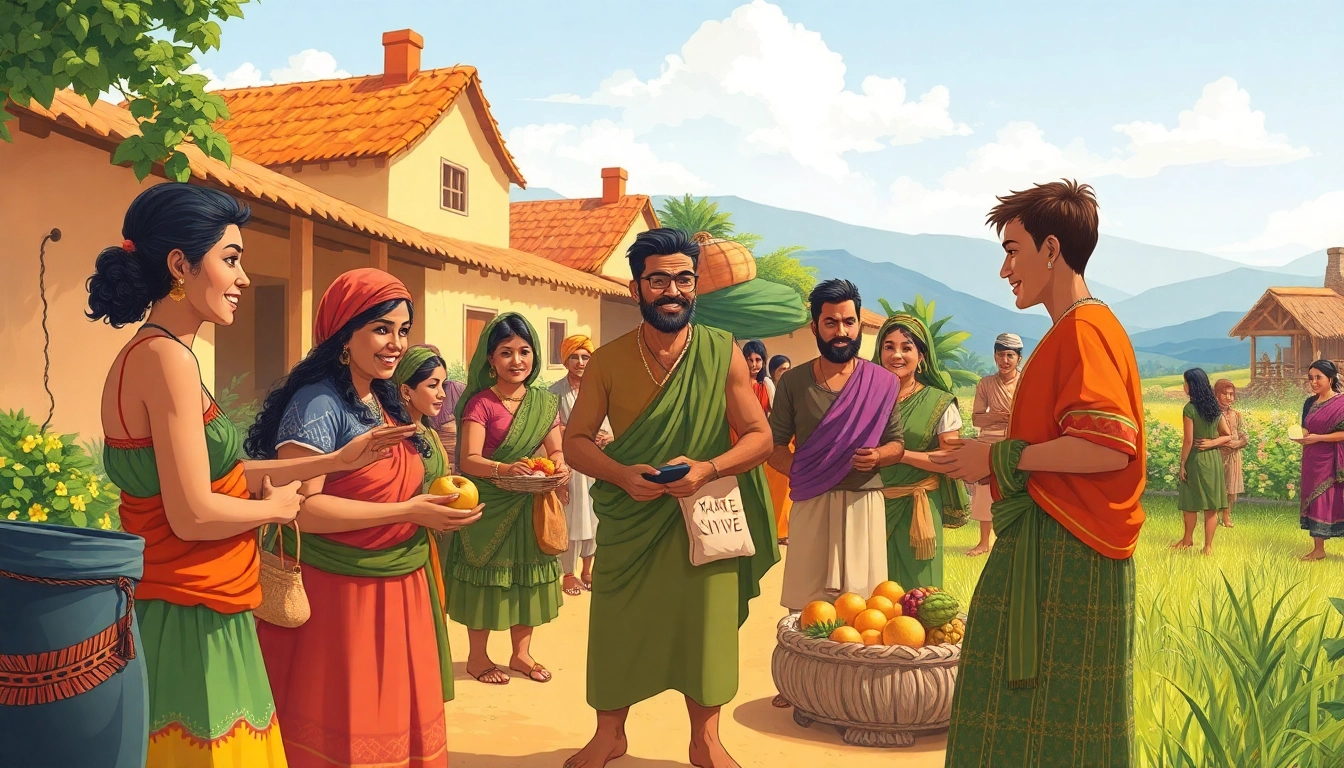
Barter, the direct exchange of goods and services without monetary transactions, is central to traditional economies. It operates on the principle that both parties must find mutual value. In practical terms, a farmer might trade dairy products with a fisherman, leading to a system that relies on personal connections and trust. The effectiveness of barter depends on the keen mutual understanding of each other’s needs.
2.2 Benefits of Bartering Over Currency
Bartering offers various advantages, including:
- No Currency Dependence: Communities avoid the fluctuations and instabilities that currencies might bring.
- Stronger Community Bonds: Barter fosters interpersonal relationships and trust among community members, reinforcing social networks.
- Resource Maximization: Individuals can optimize resources and reduce waste, as they exchange surplus goods rather than letting them go unused.
2.3 Examples of Barter Systems
Various cultures globally have demonstrated effective barter systems. In many indigenous communities, this system persists, facilitating trade between different households for things like food, tools, and clothing. Notable examples include farmers trading crops for livestock or craftspeople exchanging handmade goods for agricultural products. Such arrangements underscore reciprocity and collaboration.
3. Modern Applications of Traditional Economy Definition Simple
3.1 Integrating Traditional Practices in Urban Areas
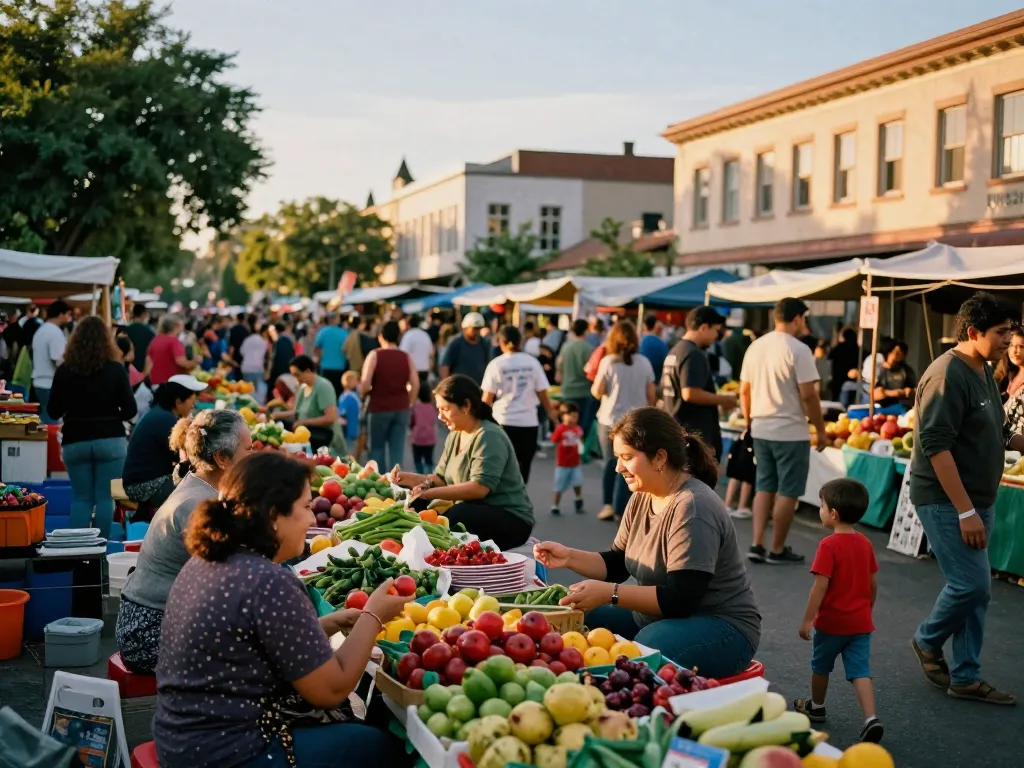
As urban areas increasingly recognize the value of traditional economies, integration efforts are becoming more prominent. Communities are encouraging local markets where traditional goods are sold alongside modern products. Urban gardening initiatives and farmers' markets bring rural products to city dwellers, merging the old with the new and promoting local sustainability.
3.2 Sustainable Development and Traditional Economies
Traditional economies exhibit principles of sustainable development through their methods of resource use and environmental stewardship. Practices like crop rotation, organic farming, and local resource management reflect a harmonious relationship with nature. By combining these practices with modern sustainable methods, communities can promote ecological balance while enhancing local economies.
3.3 Case Studies of Successful Traditional Practices
Successful implementations of traditional practices can provide valuable lessons. For instance, certain African communities have maintained traditional farming methods that conserve water and soil health while promoting biodiversity. In the Americas, the revival of indigenous farming techniques has not only produced healthier crops but also reinstated cultural pride, showing how traditional practices can positively affect both community and environment.
4. Challenges Faced by Traditional Economies
4.1 Impact of Globalization
Globalization poses significant threats to traditional economies, often overshadowing local customs and practices with international market forces. Cultural erosion occurs when traditional ways of life succumb to the allure of modern conveniences and consumerism, leading to the decline of indigenous practices and knowledge.
4.2 Preservation of Traditional Values
Maintaining traditional values amidst the pressures of modernization remains a crucial challenge. Younger generations may gravitate towards urban lifestyles, abandoning the customs and practices that sustained their forebears. Communities must work actively to impart skills and knowledge through education and cultural programs to foster appreciation for their heritage.
4.3 Economic Sustainability Issues
Traditional economies frequently struggle with sustainability issues, particularly as population dynamics change. Limited access to technology and resources can hinder community development, pushing members to seek opportunities elsewhere. Addressing infrastructure needs, access to markets, and resource management are crucial for ensuring economic viability in these economies.
5. Future of Traditional Economy Definition Simple
5.1 Evolving Economic Practices
As traditional economies navigate the complexities of the modern world, evolving practices must embrace adaptability. Hybrid models combining traditional methods with modern technology can facilitate growth while remaining anchored in cultural values, illustrating that adaptation does not mean dilution.
5.2 Balancing Tradition and Modern Influence
Finding equilibrium between maintaining traditional practices and incorporating modern influences will be vital for the future of traditional economies. This balance can be achieved through community dialogue, where local leaders explore innovative methods that honor tradition while enhancing productivity and sustainability.
5.3 Tips for Upholding Traditional Values
Communities looking to uphold traditional values can employ several strategies:
- Education: Integrate traditional knowledge into school curriculums to instill respect from a young age.
- Community Engagement: Foster gatherings that celebrate cultural events and practices, reinforcing communal ties.
- Support for Local Businesses: Encourage local craftsmanship and trade to sustain economic independence and promote heritage.
Frequently Asked Questions
1. What are the main features of a traditional economy?
A traditional economy focuses on subsistence production, barter exchange, community orientation, and customary practices to fulfill basic needs.
2. How does bartering work in a traditional economy?
Bartering involves exchanging goods and services directly between individuals without the use of currency, based on mutual value and trust.
3. What challenges do traditional economies face today?
Common challenges include globalization impacts, preservation of traditional values, and issues with economic sustainability and resource access.
4. How can traditional economies evolve?
Traditional economies can evolve by integrating modern technology, adopting hybrid models, and adapting practices that respect cultural heritage.
5. Why are traditional economies important for sustainable development?
They promote sustainable practices, ecological balance, and community resilience by utilizing local resources and nurturing cultural heritage.