
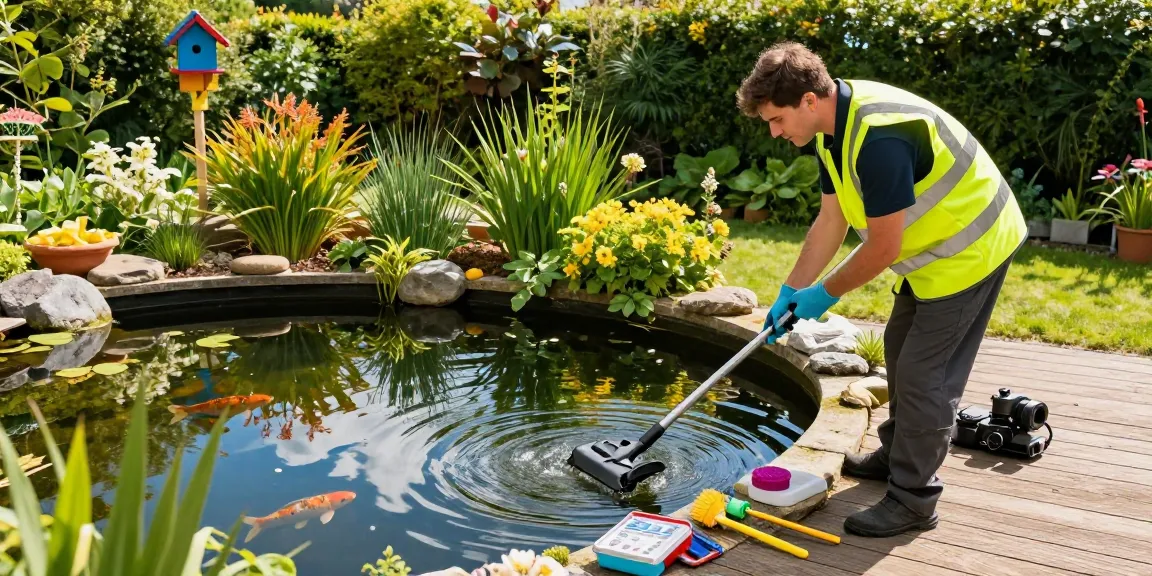
Understanding Professional Pond Cleaning Surrey
Ponds, particularly those in residential and local garden settings, serve as beautiful natural attractions, offering aesthetic appeal and fostering biodiversity. However, the delicate ecosystems within these ponds require diligent upkeep to thrive. This is where Professional Pond Cleaning Surrey comes into play, providing specialized services designed to maintain the health and clarity of your pond.
What is Professional Pond Cleaning?
Professional pond cleaning involves a comprehensive set of tasks performed by trained experts to remove debris, contaminants, and excessive algae from a pond. This process typically includes draining a portion of the pond, physically cleaning the pond bottom, and treating the water with safe chemicals or natural solutions to restore balance. Experienced technicians use specialized equipment to ensure that all aspects of the pond’s ecosystem are respected and preserved.
Importance of Routine Maintenance
Routine maintenance is critical for the longevity and health of a pond. Regular cleaning can prevent the buildup of harmful substances such as toxins from decaying organic matter and pollutants. Moreover, it helps maintain oxygen levels in the water, which is essential for aquatic life. Ensuring a clean and balanced pond environment reduces the risk of fish stress and disease outbreaks, ultimately preserving the pond’s natural beauty.
Benefits for Local Gardens and Wildlife
Maintaining a clean pond contributes significantly to local gardens and wildlife. Healthy ponds provide habitat for various species, from insects to amphibians and fish. Furthermore, a well-maintained pond enhances the overall aesthetic of gardens, making them more inviting for both residents and local fauna. Additionally, clean water bodies contribute to the ecological balance, supporting pollinators and other creatures essential for plant growth.
Common Challenges in Pond Maintenance
Pond Algae Growth and Solutions
One of the most prevalent challenges faced by pond owners is the overgrowth of algae. This issue can stem from various factors, including nutrient overload from fertilizers and organic waste. Left unchecked, excessive algae can suffocate fish and other aquatic organisms due to reduced oxygen levels. Effective solutions include using natural treatments like barley straw or introducing beneficial bacteria that outcompete algae for available nutrients, thus promoting a healthier ecosystem.
Preventing Fish Stress and Maintaining Ecosystem Balance
Fish stress is a significant concern that can arise from poor water quality, overcrowding, and sudden changes in their environment. To mitigate stress, pond owners should monitor water parameters such as pH, ammonia, and nitrogen levels regularly. Implementing a balanced ecosystem with adequate vegetation helps provide shelter and reduces stress for fish, contributing to their overall health and longevity.
Identifying Equipment Issues Early On
Many pond-related issues could stem from malfunctioning equipment. Filters and pumps that are not operating effectively can lead to stagnation and poor water quality. Regular inspections and maintenance of equipment can help identify potential failures early, preventing more significant problems down the line. Investing in high-quality pond maintenance tools and hiring professionals for regular checks can safeguard your pond’s health.
Best Practices for A Successful Pond Cleaning
Step-by-Step Pond Cleaning Techniques
Professional pond cleaning typically follows a structured approach:
- Assess the pond’s condition and water quality.
- Drain a portion of the water (around 30-50% depending on the situation).
- Remove debris, leaves, and sediment from the bottom and edges.
- Clean and inspect all equipment, including filters and pumps.
- Refill the pond with fresh water, treating it as necessary.
- Reintroduce beneficial bacteria and plants to restore balance.
Essential Tools for Effective Pond Care
Successful pond cleaning requires specific tools, including:
- Submersible pumps for draining water.
- Pond vacuums for efficiently extracting sludge and debris.
- Water testing kits to monitor pH and nutrient levels.
- Fish nets for safely relocating aquatic life.
- Water treatments and dechlorinators for enhancing water quality.
Seasonal Cleaning Schedules for Maximum Benefit
Establishing a seasonal cleaning schedule can maximize pond health:
- Spring: Clear debris from winter, assess equipment, and introduce new plants.
- Summer: Manage algae growth and monitor water temperature.
- Autumn: Remove fallen leaves and prepare for winter.
- Winter: Prevent ice formation on surfaces to ensure gas exchange.
Case Studies: Successful Pond Cleanings in Surrey
Before and After Transformations
Numerous case studies illustrate the transformative effects of professional pond cleaning. For instance, a residential pond in Surrey that suffered from murky water and excessive algae was revitalized through thorough cleaning, introducing native plants, and enhancing filtration systems. The before-and-after contrasts were striking, with crystal clear water and thriving aquatic life.
Client Testimonials on Effective Pond Care
Testimonials from satisfied clients often highlight the expertise of professionals in cleaning their ponds. One homeowner reported, “After struggling with algae for years, the team at That Pond Guy worked wonders. The difference is remarkable, and my fish are thriving!” Such feedback underscores the importance of professional intervention in maintaining healthy pond ecosystems.
Lessons Learned from Local Pond Rescues
Learning from local pond rescues emphasizes the necessity of timely intervention. A notable example involved a community pond faced with significant fish mortality due to poor water quality. After professional cleaning and community engagement to maintain the pond, it was transformed into a vibrant ecosystem, offering many lessons about the importance of collective responsibility in pond stewardship.
Future Trends in Pond Cleaning for 2026
Innovative Technologies in Pond Maintenance
As we look towards 2026, technological advancements are set to revolutionize pond maintenance. Innovations such as automated monitoring systems equipped with sensors will allow real-time tracking of water quality and health, significantly enhancing proactive management capabilities. Furthermore, the emergence of environmentally friendly cleaning products will become increasingly prevalent as sustainability becomes a focal point.
Eco-Friendly Practices and Sustainability
In the coming years, eco-friendly practices in pond cleaning will gain momentum, with an emphasis on organic treatments and the use of native plants to restore balance in aquatic ecosystems. The importance placed on biodiversity will drive the adoption of practices that promote natural pond resilience while minimizing the ecological footprint.
Predicted Changes in Local Regulations and Standards
With growing awareness of environmental preservation, local regulations governing pond maintenance are expected to evolve. Future standards may mandate specific cleaning practices, water quality thresholds, and the use of non-toxic products, ensuring the protection of local wildlife and water resources.
What tools are essential for professional pond cleaning?
Essential tools for professional pond cleaning include submersible pumps, pond vacuums, fish nets, and water testing kits, all designed to facilitate efficient cleaning and maintenance while preserving the health of the pond ecosystem.
How often should I clean my pond?
The frequency of pond cleaning depends on various factors, including pond size, fish population, and local conditions. Generally, ponds should be professionally cleaned at least once a year, with periodic maintenance checks every few months.
What are the signs that my pond needs professional cleaning?
Signs that your pond may require professional cleaning include murky water, foul odors, excessive algae growth, and a noticeable decline in fish and plant health. These indicators suggest that the pond’s ecosystem is out of balance and may need expert intervention.
Can pond cleaning affect local wildlife?
While professional pond cleaning can significantly enhance water quality, it is crucial to implement practices that minimize disturbances to local wildlife. Skilled technicians are trained to handle aquatic life carefully during the cleaning process to ensure safety and promote the overall health of the pond ecosystem.
What should I do if my pond has excessive algae growth?
If your pond is facing excessive algae growth, it’s advisable to consult with professionals who can assess the situation. They may recommend natural treatments, water quality adjustments, and strategies for improving circulation to restore balance in the pond environment effectively.