Understanding Kitchen Loofah Benefits
Kitchen loofahs, often considered a staple for eco-conscious households, have gained notable recognition for their myriad of benefits. The natural and biodegradable nature of loofahs not only aligns with a sustainable lifestyle but also offers significant advantages for cleaning and personal care routines. Exploring kitchen loofah benefits means opening the door to a healthier, more environmentally friendly lifestyle. This article delves into what kitchen loofahs are, their natural properties, and their environmental benefits, among other topics.
What are Kitchen Loofahs?
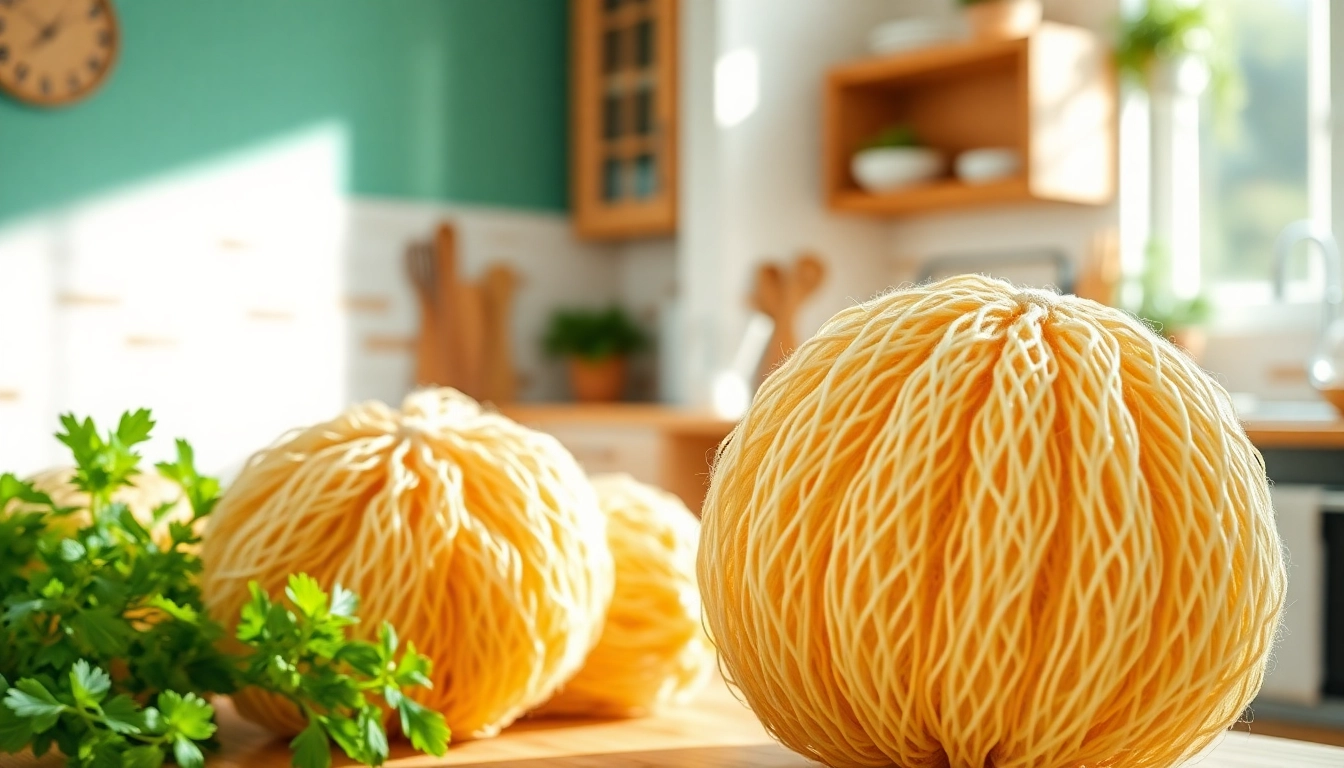
Kitchen loofahs, not to be confused with a common sponge, are a natural product derived from the fibrous interior of the loofah plant (Luffa aegyptiaca). The plant is primarily cultivated in tropical and subtropical regions and is harvested when mature. Once the outer skin is removed, the fibrous material is dried, creating a porous sponge. This organic sponge is completely biodegradable and can be used in various cleaning applications, from scrubbing dishes to exfoliating skin.
Natural Properties of Kitchen Loofahs
One of the standout features of kitchen loofahs is their inherent properties. They are naturally abrasive, which makes them effective for scrubbing without scratching most surfaces. Their porous texture allows them to absorb soap and water efficiently, producing a rich lather. Additionally, kitchen loofahs are hypoallergenic, making them suitable for individuals with sensitive skin. They are free from synthetic additives and can help reduce chemical exposure in your home.
Environmental Benefits of Using Kitchen Loofahs
Switching to kitchen loofahs provides several environmental advantages. First and foremost, they are 100% biodegradable, meaning that they decompose naturally without releasing harmful substances into the environment. By choosing loofahs over synthetic sponges, users also contribute to lowering plastic waste. With their cultivation requiring minimal chemical pesticides and fertilizers, the loofah plant offers a greener alternative to traditional sponges.
How to Use Kitchen Loofahs Effectively
To fully harness the benefits of kitchen loofahs, it’s essential to know how to use them effectively. Their versatility across different cleaning challenges enhances their value in your kitchen and bathroom routines.
Cleaning Techniques for Kitchen Loofahs
Using a kitchen loofah effectively starts with knowing the right cleaning techniques. To use, simply wet the loofah and apply a small amount of dish soap. Its natural abrasiveness will help lift grime from pots, pans, and surfaces. For tougher stains, let the loofah soak in warm, soapy water for a few minutes before scrubbing. After use, rinse the loofah thoroughly and allow it to dry completely to prevent the buildup of bacteria.
Integrating Kitchen Loofahs into Daily Routine
Incorporating kitchen loofahs into your daily routine can be simple. Replace your traditional sponge with a loofah, using it not just for dishes but also for cleaning countertops and appliances. In the bathroom, they excellent for exfoliating skin or cleansing surfaces. By making this switch, you’ll also be helping to promote a more eco-friendly lifestyle.
Choosing the Right Kitchen Loofah
When selecting a kitchen loofah, consider the size and texture that fits your cleaning needs. Larger loofahs are beneficial for scrubbing larger surfaces, while smaller ones can be used for precision cleaning in tight spaces. Additionally, check for organic certifications to ensure you are using a product free from harmful chemicals.
Maintaining Kitchen Loofah Longevity
Proper maintenance of kitchen loofahs is key to maximizing their lifespan and ensuring they remain hygienic for use. Here are some best practices.
Best Practices for Care and Cleaning
To care for your kitchen loofah properly, rinse it after each use to remove food particles and soap residue. Weekly, soak it in a mixture of vinegar and water to sanitize and deodorize it. This prevents bacterial growth and prolongs its usability.
Signs to Replace Your Kitchen Loofah
Kitchen loofahs have a lifespan that can depend on usage frequency. Replace your loofah if it shows signs of wear, such as fraying, an unpleasant odor, or excessive discoloration. Typically, it’s recommended to replace loofahs every four to six weeks for optimal sanitation.
Storage Tips for Kitchen Loofahs
Proper storage is vital for maintaining cleanliness and prolonging the lifespan of your kitchen loofah. Store your loofah in a dry area where it can air out fully between uses. Avoid enclosed spaces like under the sink, where moisture can encourage mold growth. A hanging rack or a designated drying area is ideal.
Comparing Kitchen Loofahs with Other Cleaning Tools
Kitchen loofahs offer several advantages over traditional cleaning tools. Understanding these benefits can help you decide whether to make the switch.
Kitchen Loofah vs. Traditional Sponges
When compared to traditional sponges, kitchen loofahs have a distinctive edge due to their natural composition. Unlike sponges that can harbor bacteria and mold, loofahs are less prone to these issues, especially when properly cared for. Furthermore, loofahs do not break down into microplastics, making them a safer, eco-friendly option.
Benefits Over Synthetic Materials
Kitchen loofahs also stand out over synthetic materials like polyester or nylon sponges. The natural fibers are biodegradable, unlike their synthetic counterparts, which contribute to landfill waste and plastic pollution. In addition to their sustainability, they provide effective scrubbing power without chemical additives that may irritate sensitive skin.
Cost-Effectiveness of Kitchen Loofahs
Cost-wise, kitchen loofahs are generally more economical in the long run. Despite an upfront cost that may be slightly higher than synthetic sponges, their longevity and reduced need for frequent replacement make them a frugal choice. When considering their environmental benefits, the cost-effectiveness further enhances their appeal as a cleaning tool.
FAQs about Kitchen Loofah Benefits
Are kitchen loofahs biodegradable?
Yes, kitchen loofahs are entirely biodegradable. Once they reach the end of their life cycle, they can decompose naturally without harming the environment.
How often should I replace my kitchen loofah?
It is recommended to replace your kitchen loofah every four to six weeks, or sooner if it shows signs of wear, odor, or discoloration.
Can I use kitchen loofahs on non-stick surfaces?
Yes, kitchen loofahs can be used on non-stick surfaces. Their natural fibers are gentle enough to prevent scratching, making them safe for such applications.
Do kitchen loofahs harbor bacteria?
Kitchen loofahs are less prone to bacteria buildup than synthetic sponges, especially with proper care. Regular cleaning and drying help maintain their hygiene.
Are kitchen loofahs vegan-friendly?
Yes, kitchen loofahs are vegan-friendly because they are a plant-based product, derived entirely from the loofah plant with no animal-derived ingredients.
About the Author