
Understanding Home Appliances and Their Importance
Defining Home Appliances
Home appliances are electrical or mechanical machines designed to perform specific household tasks. These devices simplify daily activities such as cooking, cleaning, and food preservation. Examples include refrigerators, washing machines, ovens, and vacuum cleaners. With advancements in technology, many home appliances also come equipped with smart features, enhancing their functionality and efficiency.
The Role of Home Appliances in Daily Life
In today’s fast-paced world, home appliances have become essential, allowing individuals and families to manage their homes more efficiently. They save time, improve convenience, and contribute to a higher quality of life by automating routine tasks. Reliable home appliances can transform the way households operate, enabling more time for family bonding and leisure activities.
Market Trends in Home Appliances
The home appliances market is constantly evolving, influenced by technological advancements and consumer preferences. Currently, smart home appliances are on the rise, providing features such as remote control and energy monitoring via smartphone apps. Another noteworthy trend is the increasing emphasis on sustainability, with consumers seeking energy-efficient options that reduce their carbon footprint. As consumers become more health-conscious, appliances that promote healthy cooking techniques, such as air fryers and steam ovens, are also gaining popularity.
Types of Essential Home Appliances
Major Kitchen Appliances
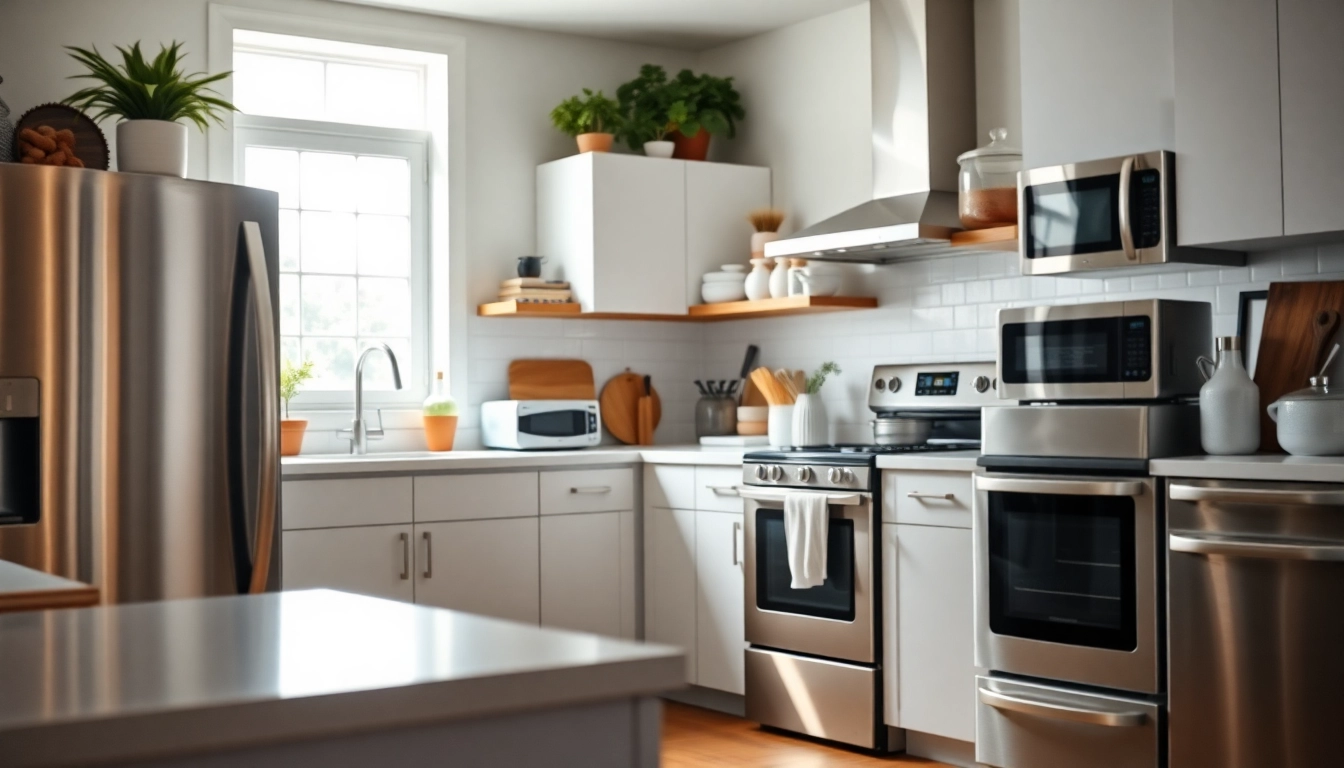
In the kitchen, certain appliances are truly indispensable. Major kitchen appliances include:
- Refrigerators: Essential for food preservation, refrigerators come in various styles and sizes, catering to different storage needs.
- Ovens and Ranges: These appliances are key for cooking, whether for baking, roasting, or stovetop cooking.
- Dishwashers: Helping to reduce time spent on cleaning, dishwashers are highly sought after in modern homes.
- Microwaves: Microwaves provide quick reheating options and are a staple in most kitchens.
Choosing the right combination of these appliances can greatly enhance cooking efficiency and convenience.
Utility Appliances for Home Management
Beyond the kitchen, utility appliances play a vital role in maintaining home hygiene and organization. Key types include:
- Washing Machines: Essential for laundry, modern washing machines offer various settings that cater to different fabric types.
- Dryers: Complementing washing machines, dryers ensure clothes are dry and fresh, ready for wear.
- Vacuum Cleaners: These appliances help maintain cleanliness, with models designed for various floor types and specific tasks.
- Air Purifiers: Increasingly popular due to growing awareness of indoor air quality, air purifiers remove contaminants, providing a healthier living environment.
Innovative Features to Look For
When selecting home appliances, it’s essential to consider innovative features that enhance usability and efficiency. Some notable features include:
- Smart Technology: Appliances that connect to Wi-Fi or Bluetooth allow for remote management and monitoring through smartphone apps.
- Energy Efficiency: Look for appliances with high energy ratings; they offer long-term savings on utility bills.
- Automatic Settings: Modern devices often come with pre-set functions tailored to specific tasks, improving ease of use.
- Multi-functionality: Appliances that combine multiple functions, like a microwave with grilling capabilities, save space and increase versatility.
Choosing the Right Home Appliances for Your Needs
Assessing Home Requirements and Space
Before making a purchase, assess your home and specific needs. Consider the available space, potential usage frequency, and the number of people in your household. Essential questions include whether you need a large capacity refrigerator for a large family or if a compact washer will suffice for an individual. Planning ensures that you don’t over or under-invest in your appliances, fitting them seamlessly into your home’s layout.
Energy Efficiency Ratings Explained
Energy efficiency ratings help consumers determine how much energy an appliance consumes in comparison with peers. Appliances are often rated with labels like Energy Star or labeled with grades from A+++ to D, with A+++ being the most efficient. Checking these ratings can lead to significant savings on energy costs over time and contribute to environmental conservation.
Budgeting for Home Appliances Purchases
Budgeting for home appliances requires careful consideration. Start by determining how much you are willing to spend on each appliance, keeping in mind the need for quality and energy efficiency. Remember to factor in potential installation costs, maintenance, and operational costs associated with each appliance. Prioritize essential items and consider saving for higher-quality models which may offer better longevity and performance in the long term.
Maintaining and Caring for Your Home Appliances
Regular Cleaning and Upkeep
Regular maintenance is vital for extending the lifespan of home appliances. Cleaning appliances according to the manufacturer’s instructions prevents buildup of dirt and grime that can hinder performance. Additionally, perform periodic checks on seals, filters, and connections to ensure they function effectively. Simple actions such as removing lint from dryers or descaling coffee machines can greatly improve efficiency and prolong lifespan.
Signs Your Appliances Need Repair
Recognizing signs that appliances need repair can prevent more extensive damage. Common indicators include unusual noises, failure to turn on, or persistent error messages. If there are leaking fluids, or inconsistency in performance, it might be time to call in a professional. Addressing these issues promptly can enhance appliance performance and avoid costly replacements.
When to Upgrade Your Appliances
Over time, appliances can become outdated or inefficient. Look for signs such as rising energy bills, frequent breakdowns, and the inability to meet your current needs as indicators that it’s time to upgrade. Technological innovations also mean that newer models often have significantly enhanced energy efficiency and functionalities. Upgrading to modern appliances can improve task efficiency and conserve energy, leading to savings in the long term.
FAQs About Home Appliances
What are the most energy-efficient home appliances?
The most energy-efficient home appliances typically include models that have earned Energy Star ratings. Items like LED light bulbs, high-efficiency washing machines, and Energy Star-rated refrigerators provide substantial savings on energy consumption.
How can I extend the lifespan of my home appliances?
Extending the lifespan of home appliances can be achieved through regular cleaning, timely maintenance, and proper usage. Follow manufacturer guidelines and address issues promptly to prevent further damage.
Where can I find reliable reviews of home appliances?
Reliable reviews can typically be found on consumer electronics review sites, magazines dedicated to home products, and customer feedback on retail websites. It’s wise to compare multiple sources for a comprehensive understanding.
What are the benefits of smart home appliances?
Smart home appliances offer enhanced convenience, energy efficiency, and remote control capabilities, allowing users to monitor and manage appliances through smartphone applications. They can significantly simplify daily tasks.
How do I choose the right size for my home appliances?
Choosing the right size requires assessing your available space and personal needs. Measure the intended area, and consider the typical volume of use to find dimensions that accommodate both practicality and function.