
Understanding the Basics of Sheet Metal Training
What is Sheet Metal Training?
Sheet metal training encompasses a comprehensive set of skills and techniques associated with the fabrication, design, and manipulation of sheet metal, which is a flat piece of metal that can be formed into various shapes. These training programs are crucial for aspiring craftsmen, as they provide foundational knowledge and hands-on experience necessary to work effectively in fields such as construction, automotive, HVAC, and artistic metalworking. In sheet metal training, students learn how to cut, bend, and shape metal into useful products, and they become adept at interpreting technical drawings and specifications.
The training often includes theoretical knowledge on materials, properties, and standards governing metalwork, alongside practical lessons in tool usage and safety protocols. Aspiring professionals might seek out programs such as those available on sheet metal training to enhance their skill sets and prepare for careers in various industries.
Key Skills Acquired in Sheet Metal Training
The skills developed during sheet metal training are diverse and highly valuable. Firstly, trainees learn crucial technical skills such as measuring, cutting, and bending metal accurately. Proficiency in using various machines, such as shears, brakes, and lasers, is also emphasized. Moreover, students cultivate an understanding of metallurgy, enabling them to select appropriate types of metals for specific projects. This knowledge is key in ensuring the durability and functionality of the constructs they create.
Additionally, trainees gain insight into design fundamentals and blueprint reading. These skills are vital for interpreting project specifications and translating them into tangible outcomes. Furthermore, proficiency with computer-aided design (CAD) software is often included, bridging traditional skills with modern technology. Finally, a strong emphasis on safety practices ensures that trainees develop a mindset for maintaining a safe working environment, essential for high-stakes metalworking scenarios.
Importance of Hands-on Experience in Sheet Metal Training
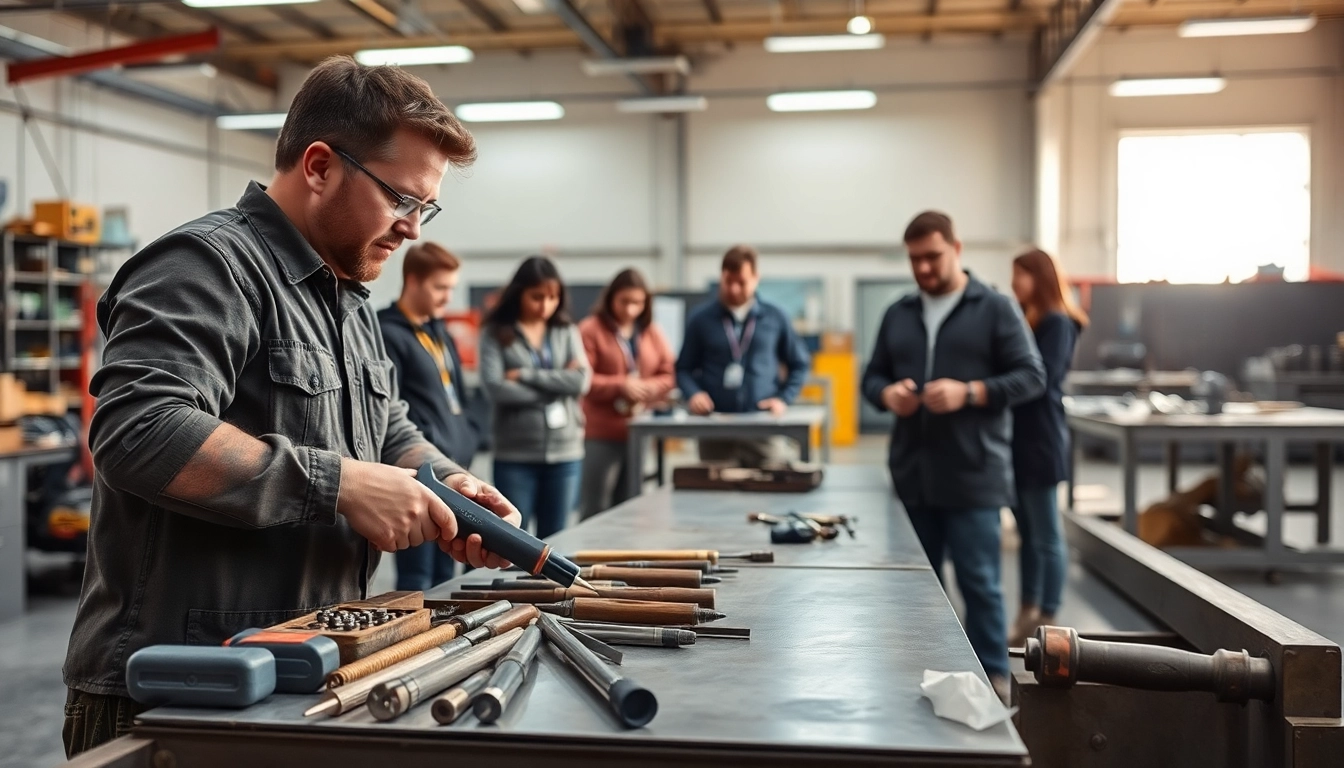
Hands-on experience is the cornerstone of effective sheet metal training. While theoretical knowledge is invaluable, the true mastery of sheet metal techniques comes from engaging directly with the materials and tools. Training programs often integrate classroom instruction with real-world applications through workshops and lab sessions. This blend enables students to refine their abilities in a controlled environment, making mistakes and learning from them without the pressure of a live project.
Practical experience fosters problem-solving skills as trainees encounter challenges in aligning materials, choosing appropriate joining methods, and completing flawless finishes. Mentorship from seasoned professionals during these hands-on sessions provides direct feedback and tips that are not usually covered in textbooks. Moreover, these experiences help build confidence and resilience, enabling trainees to tackle more complex projects independently in the future.
Essential Tools and Equipment for Sheet Metal Training
Basic Tools Every Beginner Needs
Every aspiring sheet metal worker should start with a set of basic tools that lay the groundwork for their training. Essential tools include:
- Measuring Instruments: Precise measuring tools such as tape measures, calipers, and squares are crucial for accurate work.
- Cutting Tools: Snips, shears, and band saws are standard for providing various cutting abilities necessary for different metal gauges.
- Bending Tools: Hand brakes and bending jigs allow for creating accurate bends in metal sheets.
- Fastening Tools: Riveting tools, clamps, and drills are vital for assembling fabricated pieces securely.
- Finishing Tools: Files, sanders, and grinders help achieve smooth, professional-looking finishes.
Equipping oneself with these tools gives beginners a solid foundation to progress confidently throughout their training.
Advanced Equipment in Professional Sheet Metal Training
Once trainees advance in their skills and understanding, they typically gain access to more sophisticated equipment. Advanced equipment includes:
- Laser Cutters: These machines offer precision cutting capabilities for intricate designs and complex shapes.
- CNC Machines: Computer Numerical Control (CNC) machines automate manufacturing processes, enhancing efficiency and repeatability.
- Hydraulic Presses: Used for heavy-duty forming and shaping, these presses can handle thicker materials more efficiently.
- Welding Equipment: MIG and TIG welders are essential for assembling metal parts seamlessly and securely.
- Plasma Cutters: These versatile cutters are used for rapid and precise cutting of sheet metal.
By familiarizing themselves with advanced tools, trainees can push the boundaries of their creativity and project complexity, ultimately leading to exceptional craftsmanship.
Safety Gear Requirements for Sheet Metal Training
Safety cannot be overemphasized in sheet metal training, as working with metal and machinery poses inherent risks. Essential safety gear includes:
- Protective Eyewear: Safety glasses or goggles protect the eyes from metal shavings, sparks, and debris.
- Gloves: Cut-resistant gloves prevent injury while handling sharp metal edges and hot materials.
- Hearing Protection: Earplugs or earmuffs shield trainees from noise associated with machinery operation.
- Steel-Toed Boots: These provide vital foot protection against heavy objects that may fall or be dropped during training and projects.
- Respirators: In environments where metal dust or fumes may be present, respirators protect the lungs from harmful particles.
Enforcing stringent safety protocols and proper use of gear instills a safety-conscious mindset among trainees, vital for their future careers.
Techniques and Processes in Sheet Metal Training
Cutting Techniques for Sheet Metal
Learning various cutting techniques is fundamental in sheet metal training, as different projects require specific methodologies. Common cutting techniques include:
- Manual Cutting: Techniques such as using snips or shears allow for precise control, particularly on thinner sheets.
- Power Shears: These electrified tools effectively cut through metal swiftly, minimizing physical strain.
- Band Saws: Ideal for both straight and curved cuts, band saws offer versatility for intricate designs.
- Plasma Cutting: This method utilizes ionized gas to cut through conductive materials, making it effective for thicker sheets.
- Laser Cutting: It remains favored for its accuracy and the ability to achieve complex shapes with minimal material waste.
Selecting the appropriate cutting technique depends on the project’s requirements, material gauge, and the desired finish. Understanding these techniques enhances a trainee’s efficiency and effectiveness in metalworking.
Forming and Bending Methods Explained
Forming and bending are critical techniques in sheet metal work, determining the final shape of the product. Common methods include:
- Air Bending: This method creates bends by pressing a sheet metal piece against a die, allowing for flexibility in angle and shape.
- Bottom Bending: In this technique, the metal is forced against a die until it reaches the desired angle; it is known for producing consistent results.
- Roll Bending: Used for creating arcs or circular shapes, this method involves passing the sheet through a series of rollers to achieve smooth curves.
- Punching: This incorporates machines to cut holes and other shapes from the metal, contributing to complex designs.
- Stamping: Suitable for high-volume production, stamping uses dies to create shapes quickly and efficiently.
Grasping the nuances of these techniques is invaluable for anyone looking to refine their metalworking skills, as each method offers unique advantages depending on the project.
Finishing Techniques in Sheet Metal Projects
Finishing techniques play a crucial role in enhancing the aesthetic appeal and durability of sheet metal products. Key finishing techniques include:
- Sanding: This process smooths rough edges and surfaces, preparing the metal for painting or coating.
- Grinding: An aggressive technique for shaping and smoothing, grinding can also remove weld marks and imperfections.
- Painting and Coating: Applying paint or protective coatings prevents corrosion and enhances visual appeal, crucial for outdoor applications.
- Polishing: Achieving a reflective finish, polishing enhances the appearance of stainless steel products and other metals.
- Passivation: This chemical treatment enhances corrosion resistance, ensuring metals withstand environmental exposure.
Understanding and executing proper finishing techniques is essential not only for aesthetics but also for the longevity of sheet metal projects.
Implementing Projects in Sheet Metal Training
Beginner Projects for New Learners
For those just starting their journey in sheet metal training, engaging in simple projects can help build confidence and layout foundational skills. Beginner projects may include:
- Basic Boxes: Constructing simple rectangular or square boxes helps understand measuring and cutting techniques.
- Custom Signs: Creating personalized metal signs allows trainees to practice cutting and finishing methods.
- Simple Brackets: Developing brackets for shelves or supports introduces bending and fastening skills.
- Decorative Items: Crafting metal art pieces encourages creativity while applying various techniques learned in training.
- Trivets: Making trivets involves cutting and bending while providing a practical learning experience.
These projects serve as an excellent introduction, allowing new learners to apply theoretical knowledge effectively.
Intermediate Challenges in Sheet Metal Training
Once fundamental skills are established, aspiring craftsmen can tackle intermediate challenges that require more intricate applications of their learned techniques. Examples include:
- Toolboxes: Building a sturdy toolbox allows for the integration of cutting, bending, and fastening skills.
- Fabricating HVAC Ducts: This involves precision measurements and specific design requirements, challenging their competency.
- Wall Art: Creating larger, more complex decorative panels blends art with technical skills, allowing creativity in design.
- Outdoor Furniture: Crafting small tables or chairs integrates various techniques, reinforcing their understanding of structural integrity.
- Metal Miniatures: Detailed miniatures push creativity and precision in both cutting and assembly.
Such projects require critical thinking and planning skills, pushing trainees towards further mastery in sheet metal work.
Advanced Projects for Skill Mastery
Advanced projects are the ultimate test of a craftsman’s skills in sheet metal training. These projects integrate all the techniques learned previously and may include:
- Custom Furniture: Designing metal furniture involves creativity paired with structural considerations, challenging design skills.
- Complex HVAC Systems: Creating bespoke ducts calls for both theoretical knowledge and practical applications, particularly in precise fittings.
- Art Installations: Large-scale or interactive installations encourage innovative design coupled with technical expertise.
- Automotive Parts: Fabricating parts requires adherence to tolerances, working under the influence of specific standards and regulations.
- Architectural Elements: Engaging in creating elements like railings or canopies integrates skills honed throughout training.
Undertaking these advanced projects prepares trainees for professional environments, setting them up for successful careers in various industries.
FAQs About Sheet Metal Training
How long does sheet metal training take?
Sheet metal training can vary widely, typically taking anywhere from a few weeks to several months, depending on the program’s intensity and structure. Student participation in hands-on workshops enhances learning speed.
What are the career prospects after sheet metal training?
After completing sheet metal training, numerous career opportunities arise, including roles in manufacturing, construction, HVAC, and artistic metalworking, leading to rewarding employment prospects.
Are there online options for sheet metal training?
Yes, some institutions offer online components in sheet metal training, including lectures and tutorials. However, hands-on skills typically require in-person practice for proficiency.
What age is appropriate for starting sheet metal training?
Sheet metal training can begin as early as high school, typically around the age of 16. Programs may have age requirements based on local regulations or safety considerations.
Do I need prior experience before enrolling in sheet metal training?
No prior experience is often required for beginners. Most training programs cater to individuals at all skill levels, offering comprehensive instruction that builds foundational skills.